Beyond Simple Storytelling: Why Professional narrative writing services Bridge the Academic Gap
Narrative writing in US academia is a reflective exercise that blends personal storytelling with critical analysis. Key elements include a clear narrative arc, 'show-don't-tell' sensory details, and a concluding 'reflective pivot' that connects the experience to a broader learning objective.
Narrative Writing Styles
| Narrative Type |
Primary Goal |
Best For |
| Linear |
Chronological flow |
Biographies & Memoirs |
| Non-Linear |
Thematic meaning |
Psychological or Trauma essays |
| Reflective |
Critical growth |
Nursing & Education journals |
| Descriptive |
Sensory immersion |
Travelogues & Creative writing |
Narrative writing is frequently misunderstood by students as a simple exercise in chronological storytelling or casual recounting of personal events. However, within the rigorous framework of American higher education, a narrative essay is a complex academic instrument designed to test a student’s ability to weave vivid imagery with deep critical reflection.
The "academic gap" often occurs when a student possesses a compelling story but lacks the technical proficiency to align that story with specific university rubrics or departmental standards. This is where professional narrative writing services serve as a critical bridge. These services do not merely "ghostwrite" a story; they architect a narrative that satisfies the dual demand for creative resonance and intellectual depth.
In addition, our experts help students strengthen their writing by incorporating effective literary devices and stylistic techniques where appropriate. For example, understanding how to use hyperbole example sentences can help create vivid descriptions, emphasize emotions, and make narrative essays more engaging for readers while maintaining academic relevance.
This professional intervention ensures that your work maintains a natural, human-centric tone while adhering to the sophisticated structural expectations of modern curricula. We have a custom descriptive essay writing service. By bridging this gap, students can submit an essay that demonstrates both personal growth and academic mastery.
Key advantages of choosing professional intervention include:
- Thematic Cohesion: Ensuring that every detail in the story directly supports a central academic theme or learning objective. This focus is essential when providing custom personal statement writing help, as it transforms a simple narrative into a purposeful academic argument.
- Structural Sophistication: Implementing advanced narrative techniques, such as non-linear timelines or thematic framing, to create a more engaging read for evaluators.
- Critical Reflection: Seamlessly integrating analysis into the storytelling process to prove cognitive development and situational awareness.
- Rubric Alignment: Meticulously mapping the content to specific grading criteria, ensuring that no technical requirement is overlooked.
- Voice Preservation: Refining the linguistic flow and vocabulary to elevate the essay’s authority without losing the student’s unique personal perspective.
Mastering the unique "reflective" style of American narrative rubrics can be challenging. MyAssignmentHelp connects students with PhD-level experts—including specialists like Sima and Martin—who help bridge the gap between personal stories and academic expectations. They help to offer guidance of writing personal essay. These professionals provide tailored guidance on narrative structure, ensuring your essay demonstrates the growth and self-analysis required for top-tier U.S. universities.
Writing a narrative essay for U.S. college or university standards requires a shift from simple storytelling to reflective storytelling. In the American academic rubric, the focus is not just on what happened, but on the significance of the event and the writer’s personal growth.
Sample 1: The Moment of Growth
Prompt: Describe a challenge you faced and how it shaped your perspective.
The Language of Silence
The scent of chlorine always felt like a second skin. For six years, the pool was my sanctuary, a place where the world narrowed down to a black line at the bottom of the lane. However, during the state qualifiers of my junior year, that sanctuary turned into a cage. I didn't just lose the 200-meter freestyle; I finished last.
I remember the heavy, humid air of the natatorium pressing against my lungs as I climbed out of the water. My teammates avoided eye contact. In the U.S. competitive sports culture, we are often taught that "winners never quit," but no one tells you what to do when you work harder than everyone else and still fail.
That evening, I sat in the bleachers long after the lights dimmed. I realized I had tied my entire identity to a stopwatch. If I wasn't "The Swimmer," who was I? This failure forced a pivot. I spent the next semester volunteering as a junior coach for the Special Olympics swim team. Watching a ten-year-old boy named Sam celebrate simply touching the wall—regardless of the time—recalibrated my definition of success.
I learned that resilience isn’t about reclaiming a podium; it’s about the ability to redefine your purpose when the original plan falls apart. I returned to my own training the following year, not with the desperation to win, but with a newfound gratitude for the movement itself.
Narrative writing becomes far more powerful when you know how to build anecdotes in writing that feel vivid, focused, and emotionally honest.
Sample 2: The Perspective Shift
Prompt: Describe a time you questioned a long-held belief or idea.
More Than a Map
Growing up in a small town in the Midwest, my world was a grid of cornfields and familiar faces. I held the comfortable belief that "community" was something you were born into—a fixed circle of people who shared your history and your dialect. This view stayed intact until I spent a month in an immersion program in San Juan, Puerto Rico.
I arrived with a pristine textbook understanding of Spanish and a rigid sense of North American punctuality. On my third day, my host mother, Elena, noticed me checking my watch anxiously because our neighbor’s dinner party was "starting late." She laughed, handed me a plate of tostones, and said, "The clock tells you when to arrive, but the conversation tells you when to stay."
That phrase dismantled my efficiency-first mindset. Over the next four weeks, I realized that my definition of community had been exclusionary. I saw community in the way strangers argued passionately about baseball on the street corners and then shared coffee minutes later.
By the time I flew back to the States, the grid of my hometown looked different. I realized that community isn't a passive inheritance; it is an active choice to engage with the "other." I stopped looking for people who were like me and started looking for opportunities to listen to those who weren't.
Navigating structure of narrative essay writing as per USA standards:
Crafting a compelling story is about more than just recounting events; it’s about creating an experience for the reader. If you’ve ever thought, "I should hire someone to write a narrative essay for me," understanding the underlying architecture can help you collaborate better with professional services or master the craft yourself.
Most native essay writers follow a classic structural arc to ensure the story resonates. Here is the standard breakdown:
1. The Orientation (Introduction)
This is where you set the scene. You introduce the characters, the physical setting, and the primary "hook." Instead of just stating facts, use sensory details to pull the reader in. If you choose to buy narrative essays, ensure the writer captures your unique voice in this opening.
2. The Complication (Rising Action)
A story without conflict is just a list of chores. This section introduces the problem or the tension. It builds momentum as the protagonist faces obstacles, leading the reader toward the turning point.
3. The Climax
This is the "make or break" moment. It is the peak of the emotional or physical action where the conflict reaches its head. It should be the most intense part of your essay.
4. The Falling Action and Resolution
The smoke clears, and you begin to process what just happened. This is arguably the most important part of a personal reflective essay because it moves beyond the story and into the "so what?"
The Falling Action
- The Aftermath: Describe the immediate quiet after the storm. How did you feel five minutes, or five days, after the climax?
- The Shift: Briefly show the transition from the "old you" to the "new you."
5. The Moral or Reflection (Conclusion)
A narrative essay differs from a simple short story because it requires a purpose. The conclusion should reflect on the significance of the experience. What did you learn? Why does this story matter?
| Component |
Goal |
| Plot |
The sequence of events. |
| Character |
The "who" that undergoes change. |
| Theme |
The underlying message or "so what?" |
Whether you tackle the draft yourself or look for native essay writers to polish your ideas, following this structure ensures your narrative is cohesive, engaging, and meaningful.







 1435 Completed Orders
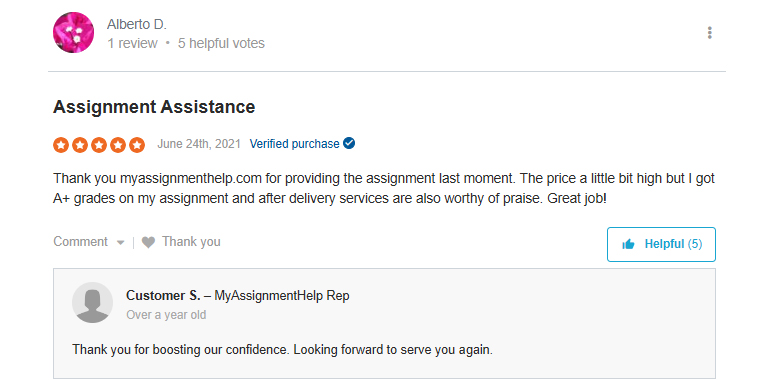
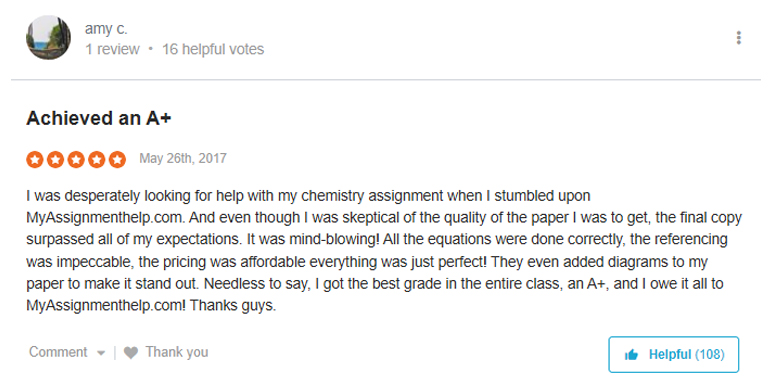
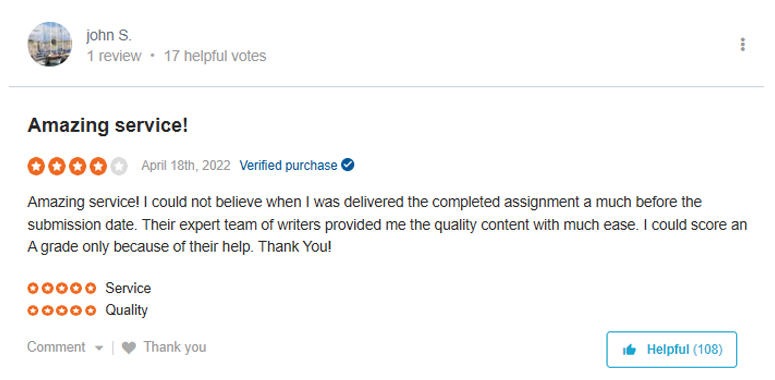
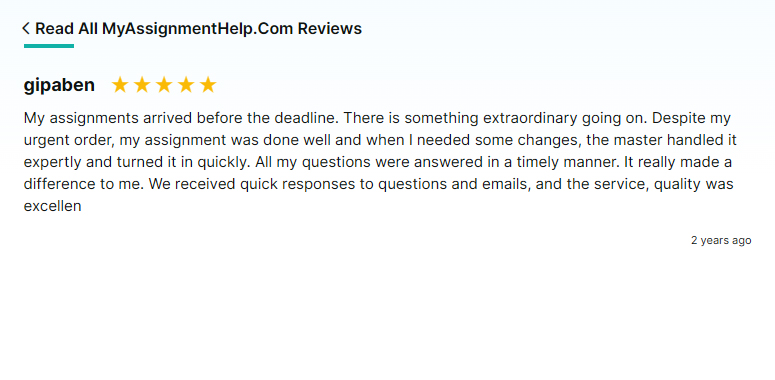
 574 Student Reviews










 Plagiarism Report


