


 30 December,2025

Table of Contents
When you write a college report or a project, your voice is the most important part. To make your writing even better, you might look up facts in books or find cool info on the internet. Using these sources is great because it shows you’ve done your assignment!
However, there is a big difference between using someone’s help and pretending their words are yours. Most of the time, students don’t mean to “cheat.” Usually, they just take messy notes or forget to say where they found a fact. But even an accident can lead to bad grades or losing the trust of your teachers.
This guide will show you how to be a “honesty hero” by using citations, writing in your own words, and keeping your work 100% original.
The most effective way to maintain original writing standards is to cite your research assets immediately as you type. You can safeguard your work by using a free harvard reference generator throughout your writing session.
You might think, “Everyone does it, so why should I care?” Here is the truth about what is happening in schools and colleges today:
Plagiarism Explained as “Merriam-Webster”
“According to the Merriam-Webster Dictionary, to plagiarize is “to steal and pass off the ideas or words of another as one’s own.” In the digital age, where copy-pasting is a second-nature habit, it is easy to forget that ideas have owners.”
Plagiarism Explained as “Brain Piracy”
As per Brain Piracy– Forget the dictionary for a second. Think of plagiarism as “Brain Piracy.” Ideas are like property. When someone writes a sentence or discovers a fact, they own it. If you take that “property” and put your name on it without asking or giving credit, you are committing a form of academic theft. Even if you just change a few words around, if the idea isn’t yours, you must say where you found it.
Many students unknowingly turn in essays containing clear examples of plagiarism simply due to poor citation habits and notes tracking.
Plagiarism Explained as Real-Life Analogy
Imagine you’re a photographer. You spend hours waiting for the perfect sunset, snap a beautiful photo, and post it online. Suddenly, someone else takes your photo, posts it on their own page, and says, “Look at this amazing photo I took!”
That is plagiarism. In university or college, plagiarism means taking credit for work you didn’t do. It happens whenever you use a “borrowed” idea, a specific fact, or a sentence from a website without telling everyone exactly where it came from. Even if you just copy-paste a small part of a paragraph, you are telling the reader, “I came up with this,” when you actually didn’t.
According to my understanding of the definitions above, this is plagiarism
“Plagiarism is the act of “redecorating” someone else’s sentence and claiming you built the whole thing from scratch. This is often called Patchwriting swapping out a few words while keeping the underlying structure and thought. Whether it’s a direct copy or a clever disguise, if you don’t tell your audience where the knowledge came from, you are committing a form of Intellectual Identity Theft.” Use a free plagiarism checker to get accurate results.
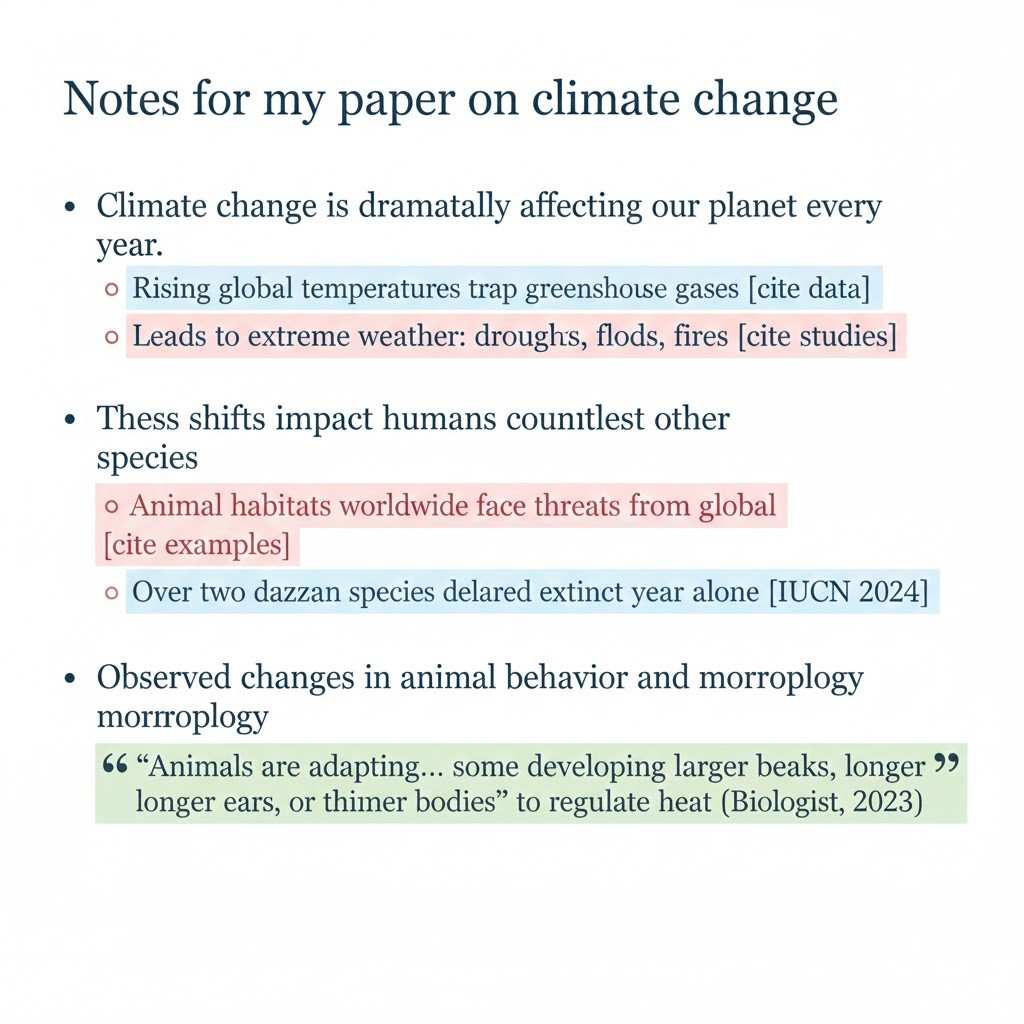
Plagiarism in research and assignments undermines academic integrity and damages credibility.
👉 Learn more: Plagiarism in Research
Plagiarism happens for many reasons, and it is often less about dishonesty and more about pressure, misunderstanding, or lack of preparation. Understanding why students plagiarize is essential for learning how to run a plagiarism check and supporting ethical learning.
One of the most common causes of plagiarism is pressure to succeed. Students may face:
Students who procrastinate often find themselves rushing to complete assignments. Without enough time to research, think, and write, plagiarism can feel like the only option. Last-minute work increases the temptation to copy content rather than create original ideas.
Many students do not fully understand what plagiarism is. Common misunderstandings include:
This is especially true for younger students and those new to academic writing.
Students who lack confidence in their writing abilities may plagiarize because they feel their own words are not “good enough.” Similarly, students unfamiliar with research techniques may struggle to:
When students do not have these skills, plagiarism can seem like an easy solution. In reality, it only creates bigger academic problems. Learning how to research, write clearly, and cite sources correctly is essential for success in any assignment in UK higher education institutions.
Some students plagiarize because they are afraid of receiving poor grades or disappointing others. When grades feel more important than learning, students may prioritize results over integrity.
The internet makes vast amounts of information available instantly. While this is a powerful learning tool, it also makes copying content quick and tempting. Without guidance on ethical source use, students may blur the line between research and plagiarism.
When students feel disconnected from a topic or see no personal relevance, motivation drops. This disengagement can lead to minimal effort, increasing the likelihood of copying someone else’s work.
Plagiarism happens not only because of dishonesty, but because of pressure, confusion, lack of skills, and disengagement. Addressing plagiarism effectively requires more than punishment – it requires teaching students how to manage time, develop writing skills, understand citation, and value learning over grades. When students feel supported and capable, plagiarism becomes far less likely.
Dealing with tight deadlines and complex research can be a struggle. Our experts offer personalized support to help you succeed academically.
Knowing what requires citation helps students avoid mistakes. If you’re unsure, reviewing basic tips to structure an assignment can help
Know:
Example:
If APA style is required and 15% similarity is allowed, cite all ideas using APA rules.
Example:
Author: Smith (2023), Page 45 – plagiarism definition
Paraphrasing is restating someone else’s idea in your own words and sentence structure while retaining the original meaning—always cite it, as it’s still derived from a source.
Original Text: “Social media significantly influences consumer purchasing decisions” (Johnson, 2022).
Poor Paraphrase (Plagiarism): “Social media strongly affects buying decisions.” ❌ (Too similar in wording/structure)
Correct Paraphrase: “Recent studies show that platforms like social media heavily shape how consumers decide what to buy” (Johnson, 2022). ✅ (Changed structure, synonyms, added context)
➡️ Improve paraphrasing using Paraphrasing Tool
Always cite the source, even after paraphrasing.
Quotations involve copying exact words from a source—use them sparingly for impactful phrasing, always with quotation marks and a citation. For long quotes (>40 words in APA), use block format (indented, no quotes).
Common Mistakes with Examples ❌
Correct Examples ✅
Example 1: Short Quote with Proper Integration
Original: “Plagiarism is the use of another person’s work without credit” (Smith, 2023, p. 45).
In your text: As Smith (2023) defines it, “Plagiarism is the use of another person’s work without credit” (p. 45).
Learn correct quotation rules here:
https://myassignmenthelp.com/blog/block-quotes-mla/
Example 2: Standalone APA In-Text Quote
“Plagiarism is the use of another person’s work without credit” (Smith, 2023, p. 45).
Learn correct in-text citation rules here:
https://myassignmenthelp.com/blog/apa-in-text-citation/
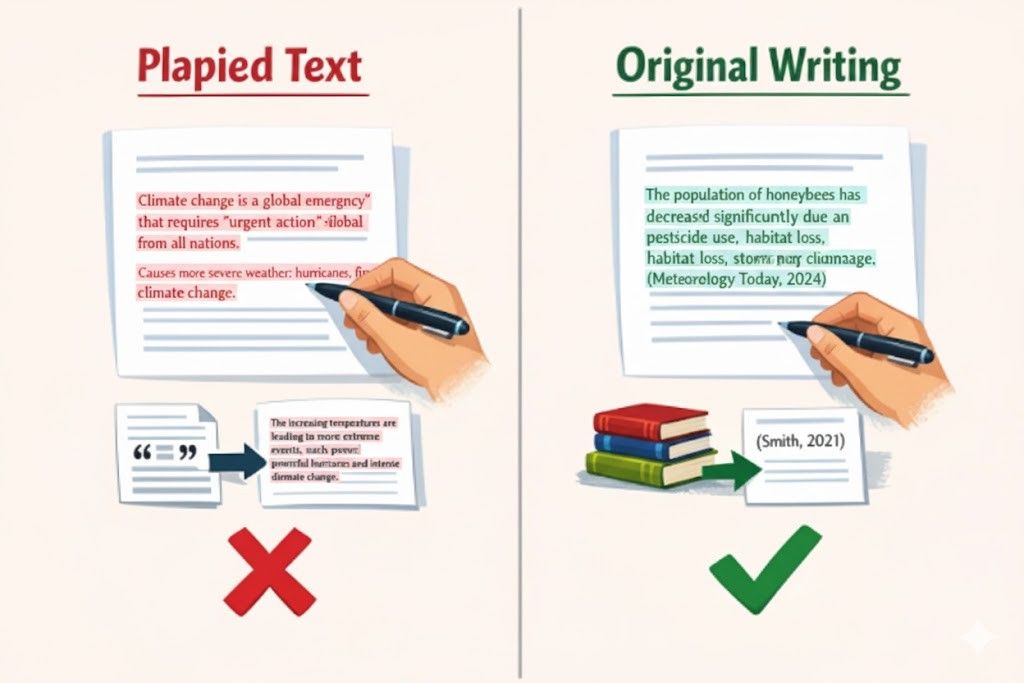
Reference list is a complete alphabetized bibliography at the end—match your in-text style exactly. Consistency prevents errors.
Common styles:
Below are the five most common types of plagiarism, explained with clear definitions and practical examples to help you identify them.
| Type | Description | Example |
|---|---|---|
| Direct | Word-for-word copying. | Copying a textbook definition exactly. |
| Mosaic | Patchwork writing. | Mixing phrases from multiple sources into one sentence. |
| Self-Plagiarism | Reusing your own previous work. | Submitting an old essay for a new class. |
| Accidental | Unintentional plagiarism due to carelessness. | Forgetting to add a citation in the bibliography. |
| Research Theft | Using data without proper permission or credit. | Using someone else’s statistics without attribution. |
Knowing how to check plagiarism in document submissions is essential for maintaining originality. Even with the best intentions, it is important to review your work using a reliable plagiarism checker. This is a standard practice for professional researchers and high-achieving students.
➡️ Best Tools for How-To-Check-Plagiarism:
If you are searching for how-to-check-plagiarism, always use trusted academic tools to identify similarity issues before submission.
⚠️ Tools show similarity, not intent. Always review reports manually.
Don’t risk your grades on accidental similarity. Access our advanced verification tools to confirm your work is 100% original today.
Most universities allow 10–20% similarity, if:
Even 5% uncited content can cause penalties.
Ethical academic support from Myassignmenthelp.com helps students write original work confidently.
Many students struggle with deadlines, citation rules, and paraphrasing. Academic platforms like Myassignmenthelp.com support students with proper research practices and originality-focused writing guidance.
Students seeking subject-specific assistance can also explore professional assignment assessment help services to improve academic clarity and confidence.
✔ Sources cited
✔ References formatted
✔ Plagiarism checked
✔ Original ideas included
✔ Grammar reviewed
Avoiding plagiarism is not difficult when students understand academic writing principles. By learning the types of plagiarism, recognizing the consequences of plagiarism, and knowing how to check plagiarism in documents, students and researchers can submit ethical, original, and high-quality academic work.
Academic integrity protects not only grades but also long-term educational and professional success.
Using another researcher’s ideas, data, or text without citation.
Yes, if the source is not cited properly.
Using plagiarism detection software.
Yes, especially in research and higher education.
Proper citation, original writing, and plagiarism checks.
Most universities allow 10–20% similarity if citations and references are properly included
Students should paraphrase properly, cite all sources, and check plagiarism before submitting assignments.
Plagiarism in research damages credibility, leads to paper rejection, and can permanently harm academic careers.
Quick Summary: How to Avoid Plagiarism

I am a literature and humanities specialist with experience in academic essays and theory-based assignments. I deliver insightful, well-structured content grounded in strong academic interpretation.









 WhatsApp

