


 02 January,2026

University is all about freedom. But it is pressure, too. Many students have to deal with deadlines, exams, and social pressure simultaneously. Drinking is often mixed into this complex stew of factors. It appears benign at first. One drink leads to two. A practice gradually develops.
Rethinking drinking isn’t about finger-wagging at students. That’s because it’s about what’s actually going on. Alcohol has a bigger impact on concentration, health, and decisions than many realise.
Why Drinking Starts So Easily
Most students do not intend to drink frequently. It typically begins on a social basis.
Common reasons include:
Drinking just seems like a quick way to chill out. The problem with it is that it doesn’t reduce stress. It postpones it.
How Alcohol Affects Daily Thinking
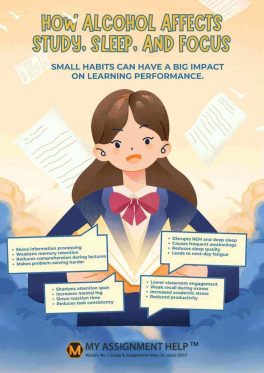
Alcohol affects the functioning of our brain. It also slows reaction times, even in tiny doses. The memory also gets weak.
This is important for students to know because they need to learn:
When they decelerate, learning takes more time. Errors add up. Confidence falls.
The Hidden Link Between Drinking and Poor Planning
Most students think they have drinking under control. The problem is thinking ahead.
Alcohol affects:
After drinking, students often:
This creates last-minute stress.
Stress Builds When Work Piles Up
The stress of educational success festers in silence. One skipped assignment begets another.
Students may think:
Alcohol amplifies these thoughts. Reality hits close to deadlines.
At that point, students begin asking how much should I pay someone to take my online class. That question is usually asked in panic rather than in planning.
Online Learning Makes This Worse
Online classes require discipline. There is no physical space for a class. No rigid schedule.
Alcohol interrupts distance learning because:
Once they fall behind, students are ensnared.
Drinking and Avoidance Behaviour
Alcohol is frequently a means of not facing problems.
Instead of confrontation:
Students opted for short relief. The pressure remains. Avoiding makes you more anxious later on. Repeat this process.
Early Warning Signs Students Miss
A lot are blind to the preliminary warning signs.
Common signs include:
These are the signs to watch out for. Neglecting them just makes it harder to get better.
Why Technical Subjects Suffer More
Clarity is necessary in subjects like physics. They need thinking by steps.
Alcohol affects:
When performance degrades, frustration increases. That frustration leads to risky decisions, such as looking for pay someone to do my online physics class instead of working on my habits.
Small Choices Create Bigger Outcomes
No one drink will destroy a teenage brain. The problem is the repeatability.
Repeated habits lead to:
Reconsidering drinking sooner helps avoid that chain.
What Rethinking Drinking Really Means
It’s about stopping before decisions.
It means asking:
Awareness creates control. Control diminishes regret.
Health, Sleep, and Mental Effects Students Often Ignore
Many students think alcohol just impacts the liver or makes you have a hangover. That’s not what the whole thing is about. Alcohol influences the entire body, in particular in youth. These effects manifest themselves more quickly than many anticipate.
Rethinking drinking is more than just short-term fun. It is a day-to-day knowledge of what alcohol does.
How Alcohol Disrupts Sleep
Sleep is essential for learning. Processing of information by the brain takes place during sleep. Alcohol disrupts this process.
Common sleep problems include:
Bad sleep negatively impacts our memory. It also decreases the following day’s attention. Students frequently complain about how much work they have. Alcohol is frequently implicated in the problem.
The Brain and Emotional Balance
Is alcohol a stimulant or a depressant? It is slowing down signals in the brain. This affects moods over time.
Students may notice:
The alterations seem at first to be very slight. They become more potent with daily use.
Anxiety After Drinking Is Common
A lot of students drink to unwind. That peace is short-lived.
After alcohol leaves the system:
This is called rebound anxiety. It coerces students into drinking again. The cycle goes on.
Drinking and Academic Motivation
Motivation requires a clear mind. Alcohol diminishes this.
Students may:
This causes guilt. Guilt makes the stress worse. Stress drinks more. This loop is hard to break without awareness.
Physical Effects Students Overlook
Drinking has an impact on physical health as well.
Common effects include:
These effects drain energy. Energy depletion impacts productivity. Students are told to just accept that as “college life.” This is not normal.
Drinking and Memory Loss
Memory loss isn’t just about blacking out.
Effects of Alcohol:
Students can study for hours and still forget material. It seems frustrating and unfair. That is, the brain is straining to hold on to information.
How Drinking Alters Daily Routines
Alcohol silently reshapes routines.
Students may:
Routine disruption undermines discipline. Discipline is the essential ingredient in online learning.
Online Classes Need Structure
Online courses provide flexibility. That flexibility becomes problematic once habits atrophy.
Drinking reduces structure by:
Once the structure collapses, the restoration seems tough.
Tense students occasionally have such thoughts as how much should I pay someone to take my online class for relief. That is usually stress overload and not laziness.
Mental Load and Decision Fatigue
Every choice consumes some amount of brain power. Alcohol depletes that energy.
Students then struggle with:
Decision fatigue leads to avoidance. Avoidance generates panic close to deadlines.
Why Students Underestimate These Effects
The effects of alcohol accumulate slowly. There is no abrupt warning signal. No obvious border is visible where harm begins.
Students think:
These thoughts delay action.
Rethinking Drinking Is About Awareness, Not Fear
Fear is not an effective tool for motivation. Awareness is. Awareness of cause and effect leads students to make better choices naturally.
Small changes can:
No extremes needed.
Health Choices Shape Academic Choices
Health and education are tied together.
Poor health reduces performance. Low performance increases stress. Stress increases risky decisions.
This is where academic shortcuts materialise, such as considering paying someone to do my online physics class when visibility is low.
Breaking the Cycle Early Matters
Early detection can avoid further problems.
Students who adjust habits early:
Waiting makes everything more difficult.
Sum Up Of The Idea
Alcohol isn’t just a weekend thing. It influences sleep, mood and learning daily. The “Rethinking Drinking” is the focal point for students. To take control before stress dictates their decisions.
Drinking, Time Loss, and Risky Academic Choices
Students are difficult to find time for. They all say there is just never enough time. This problem is made worse by drinking, even if students are not initially aware of it.
Rethinking drinking begins with realising how heavily time-consuming it is.
How Alcohol Quietly Eats Up Time
Alcohol doesn’t just affect the time spent drinking. It’s the hours after.
Students often lose time due to:
One night of drinking can impact two whole days. That time lost adds up.
Missed Time Leads to Rushed Work
Students sprint when time is running out.
Rushed work often means:
This creates fear of failure. Fear drives students to shortcuts rather than solutions.
Avoidance Feels Easier Than Effort
Alcohol promotes the avoidance response.
Instead of facing:
Students delay action.
They think:
Alcohol makes these thoughts feel real.
Risk of Avoidance Grows Through Online Classes
Self-discipline is needed for online education. No one is standing over you in a classroom.
Alcohol suppresses self-restraint.
Students may:
It’s exhausting trying to catch up when you’re already behind.
Panic Appears Close to Deadlines
Stress levels are rising as deadlines are getting closer.
Students may feel:
Now, some students are googling how much I pay someone to take my online class. There’s no money in this for us. It’s fear and a waste of time.
Drinking and Loss of Academic Confidence
Pride and confidence come from progress. Alcohol inhibits progress.
When students fall behind:
Low confidence makes even the simplest tasks feel burdensome.
Why Physics and Technical Subjects Suffer More
Cold thoughts are necessary in matters like physics.
Alcohol affects:
Students have a quicker sensation of confusion. Frustration mounts.
And when confidence is low, some ponder options such as paying someone to do my online physics class. Rather than addressing the habits that led to the problem.
Why These Choices Feel Justified
Under pressure, the brain seeks relief. Under pressure, the brain seeks relief.
Alcohol impairs judgment. Stupid things sound like good ideas.
Short Relief, Long Damage
Shortcuts ease stress briefly.
Later, they create:
These emotions amplify nervousness and tension.
Drinking Reduces Problem-Solving Ability
Alcohol enlarges problems. Rather than breaking tasks down into steps, students hang up.
Good problem-solving needs:
Alcohol inhibits them all.
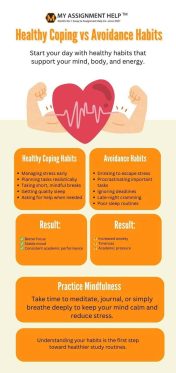
Healthy Coping Feels Hard at First
Healthier coping requires work.
Examples include:
Alcohol seems easier, but later it costs more.
Building Better Habits Takes Awareness
Transformation does not mean extreme.
Small changes help:
These steps bring the control back.
Support Reduces Risky Choices
Students who ask for help sooner. Rather than later, don’t panic.
Support can include:
Help is more effective than shortcuts.
Why Awareness Beats Willpower
The stress eats up willpower. Consciousness makes choices. Students are better equipped to make informed decisions about drinking on their own. When they know how it affects time and learning.
They avoid risky paths.
Key Takeaway
Alcohol gradually heightens stress by robbing one of time, attention, and reassurance. This strain is what leads students to make such poor academic decisions.
Rethinking Drinking helps students stay in control before panic sets in.
Long-Term Impact, Better Choices, and Final Takeaways
Why you should rethink drinking isn’t just for one semester. It has to do with sustained behaviours over time. The decisions students make today. Affect the path of their future learning, health, and self-esteem.
Alcohol doesn’t destroy success in a day. It changes course gradually.
How Drinking Shapes Long-Term Student Habits
Habits recur. Whatever is repeated becomes normal. When alcohol consumption is routine, students might:
These behaviours persist after graduation. Strong habits make stronger outcomes. Poor habits limit choices.
Drinking and Professional Skills
College isn’t just about the scores. It teaches you life skills.
Affects of Alcohol:
These skills are relevant for work and a career. Beginners who learn to manage habits are more well-adjusted students in the future.
Why Cutting Corners Does More Harm Than Help
Stress makes academic shortcuts seem useful.
In reality, they:
Students who take shortcuts often experience more stress the next time.
That’s why early questions like “how much should I pay someone to take my online class” indicate broader problems with habits and stress management.
Alcohol Reduces Self-Trust
Confidence grows out of effort and accomplishment.
Alcohol disrupts this process. Students’ expressions might be:
Decreased self-confidence leads to more risky decisions while under pressure.
Better Choices Start With Simple Awareness
Woke is not a restriction. Knowledge is power.
Helpful questions include:
Accurate answers are better answers.
Subtle differences with major implications.
Extreme rules are not necessary for the students.
Helpful changes include:
A little step early on stops panic later.
Feeling overwhelmed before deadlines arrive?
Stress, poor sleep, and delayed planning don’t appear overnight. These patterns quietly affect focus, confidence, and academic decisions especially in online classes. Recognising them early helps students stay in control before pressure turns into panic.
Take My Online Biology Class✔ 100% Confidential | ✔ Biology Subject Experts | ✔ 1.5M+ Happy Customers
Using Support Before Stress Peaks
Delaying until panic only exacerbates poor decision-making.
Early and continued support better arms students:
Assistance lessens the necessity of engaging in hazardous decisions, such as pay someone to do my online physics class. When you are feeling pressured.
Learning to Handle Stress Without Alcohol
Stress is a student staple. Running away only makes it run after you.
Healthy ways to manage stress:
These are better long-term solutions.
Why Neutral Awareness Matters More Than Rules
Regulations breed defiance. Knowledge breeds power. Students can choose balance on their own when they have a clear understanding of the effects of alcohol.
Rules create resistance. Awareness creates control. Students who understand alcohol’s impact choose balance naturally. They don’t drink as much under stress. They’re more organized. They bounce back quicker.
The Bigger Picture
Drinking decisions connect to:
Rethinking drinking keeps students focused on their goals, not their fears.
Final Thought
Rethinking drinking doesn’t mean that you have to stop. It’s about opting for clarity over confusion. They do not make stressful decisions in the moment, and this protects their learning journey.
FAQs
1. Why should students rethink their drinking habits?
Students should reconsider drinking since it impacts attention, sleep and time management. These effects create stress and compromise the quality of learning over time. Even when the drinking is perceived as moderate.
2. Does alcohol affect online class performance?
Yes. Alcohol dulls discipline and routine. This results in missed lectures, bad scheduling and late submissions in online courses that rely so much on self-direction.
3. How does drinking increase academic stress?
Drinking alcohol decreases time, quality of sleep and attention. These deficits lead to hurried work, diminished confidence, and last-minute chaos. Further exacerbating feelings of stress among the student body.
4. Why do students consider academic shortcuts under stress?
Stress impairs decision-making. When the clock hits zero, students are focused on getting quick relief, not solutions. This can result in students making high-stakes academic choices in stressful times.
5. Can reducing alcohol improve grades?
Yes. Students who consume less alcohol report better sleep, clearer thinking, and more effective study habits. All of which contribute to sustained academic success.
6. What is the first step to managing drinking responsibly?
Awareness is the first step. Students who know why and when drinking occurs are better equipped to make informed decisions. That safeguard their health, ability to learn and self-esteem.

I am an experienced class-help specialist supporting students across all subjects. I assist with online classes, coursework, and exam preparation, delivering structured academic guidance, reliable subject coverage, and consistent support to help students succeed confidently.










 WhatsApp

