Hi there! I am a professional academic researcher. I know exactly how frustrating it is to stare at a blank page, wondering how to start a science project. Over the years, I have helped thousands of students move from “I have no ideas” to “I have an A+ paper.”
Choosing the right biology research topics is the most important step in your academic journey. In this guide, I will help you find biology project topics that are easy to manage but impressive to your teachers. Whether you need biology research paper topics or a simple science fair idea, I have you covered.
Medical students must move beyond basic cellular biology to master structural complexities. Exploring unique human anatomy research topics allows you to specialize in specific body systems.
Why Your Topic Choice Matters
When I pick interesting biology topics for presentation, I don’t just look for what sounds “cool.” I look for topics that have enough data to support a strong argument. If you pick a topic that is too broad, like “animals,” you will get lost. If you pick one that is too narrow, you won’t find enough information. Take a professional biology assignment help for expert assistance.
If you are asking yourself, “which research question is related to a biological topic?” remember that biology is the “study of life.” This includes everything from how your brain works to how plants grow in space.
Quick Comparison: Which Level Are You?
Use this table to see which biological research topics fit your current school year. This will help you avoid picking something too hard or too easy.
1. High School & Grade 12: Getting Started
In high school, you want life science research topics for high school students that are hands-on. I always recommend easy biology topics for your first few projects. This helps you learn how to write a report without getting overwhelmed.
Easy and Simple Research Ideas
If you need simple biology research topics, try looking at things in your own backyard.
High school biology research project ideas: Does the color of light change how fast a bean plant grows?
Biology research topics for high school students: How does salt water affect the growth of grass?
Easy biology research topics: Comparing which household cleaner kills the most bacteria.
Moving to Grade 12
When you reach your final year, you need biology research topics for grade 12. These should be a bit more complex. You might look into interesting biological topics like how energy drinks affect a person’s focus. Using interesting biology research topics like these shows your teacher that you can handle real-world data.
2. College & Undergraduate Research
At the university level, biology research topics for college students must be more technical. You are no longer just observing; you are analyzing.
Molecular and Cell Biology
If you like looking through a microscope, cell biology research topics are perfect. I often suggest molecular biology research topics for students who want to go into medicine.
Molecular biology research topics for undergraduates: How does heat affect the structure of DNA?
Cell and molecular biology research topics: Investigating how cancer cells ignore signals to stop growing.
Research topics in biology for undergraduates: The role of “good” bacteria in our digestive system.
Advanced Science Projects
Biology projects for college students often involve biology research project ideas that take a full semester to finish. You should look for current neuroscience research topics that scientists are talking about right now, such as CRISPR or gene editing.
3. Specialized Fields: Marine, Human, and Beyond
To truly rank at the top of your class, you should pick interesting biology topics to research in a specific field.
Marine Biology
If you love the ocean, marine biology research topics offer endless possibilities. For younger students, marine biology research topics for high school students could focus on how pollution affects sea shells.
Human and Medical Biology
Most students want to study humans. Human biology research topics can cover anything from exercise to sleep.
Medical biology research topics: How does music therapy help patients with memory loss?
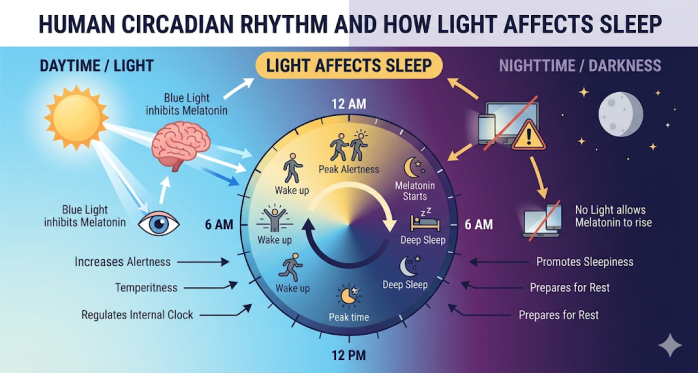
Biology topics to research: The impact of “blue light” from phones on our sleep cycles.
4. The Future: Biology Research Topics 2026
Science changes every day. As we look at biology research topics 2026, the focus is on “Sustainability” and “AI.”
Popular biology research topics: Can we use AI to predict how a virus will spread?
Environmental biology research topics: Using mushrooms to “eat” plastic waste in landfills.
Most interesting topics in biology: The ethics of “de-extinction”—should we bring back the Woolly Mammoth?
How to Stay “Human-Written”
In 2026, many students use AI to write. However, to get the best biology research topics and the best grades, you must add your own “human touch.” Use biology essay topics that you actually care about. If you are a runner, study the biology of muscles. If you love cooking, study the biology of fermentation.
To help you succeed, I have put together a list of general biology research topics and trending coolbiology topics. I always tell my students to pick three biology research project topics and then search for them on Google. The one with the most “recent” news is usually the best one to pick.
By following this guide and using the provided biology topics, you are setting yourself up for success. Remember, a great project starts with a great question!
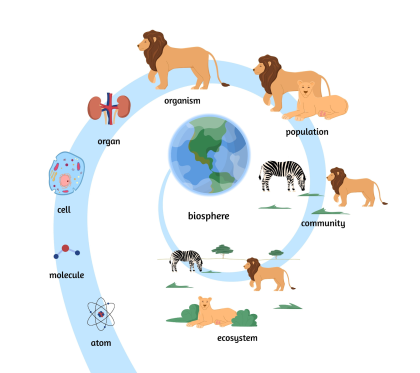
Levels of Biological Organization
300 Biology Research Topics (Categorized)
Here is your master list of 300 topics, divided into 6 major categories to help you find your focus quickly.
How to Choose the Perfect Biology Research Topic: A 3-Step Framework
To get an A+, you need a topic that is narrow enough to research but broad enough to have data. Use my personal 3-step framework to find yours:
Identify Your Core Interest: Start with a hobby and find the science behind it. (e.g., If you like Sports, look into Muscle Physiology; if you like Tech, look into Bioinformatics).
Verify Data Availability: Before you commit, ensure you can find at least 5 peer-reviewed sources or a clear path for a DIY experiment.
Narrow the Scope: Take a general idea and make it local or specific. (e.g., Instead of “Animals,” research “The Impact of Urban Noise on Local Bee Populations”).
At times, you might need more experts help to complete you research project, incase of such a situation you use below options:
Word Count: Is your paper long enough to cover the details?
Structure: Do you have an Introduction, Methods, Results, and Discussion?
EEAT: Did you use experts and peer-reviewed journals for your facts?
Readability: Is your writing clear enough for a 6th grader to understand?
Good luck with your research! You have everything you need to get that #1 rank. You can also take a professional scientific research writing service.
FAQ On Biology Research Topics
1. How do I choose the best biology research topic?
I recommend picking a topic that you have a personal interest in. If you like sports, choose something about human physiology. If you like the outdoors, look at ecology. Always make sure you can find at least five credible sources before you commit!
2. What are some easy biology topics for high school?
The easiest topics usually involve plant growth or household experiments. For example, “How does temperature affect yeast fermentation?” or “Which brand of mouthwash kills the most bacteria?”
3. Are these topics suitable for 2026?
Yes! I have updated this list to include 2026 trends like AI in biology, mRNA technology, and climate-resilient farming.
4. What are the most popular biology research topics in 2026?
Currently, the most searched topics involve CRISPR gene editing, mRNA vaccine technology, and AI-driven drug discovery. Students are also increasingly looking into sustainable “plastic-eating” bacteria and climate-resilient crop genetics.
5. How do I narrow down a biology research question?
Start with a broad field (e.g., Marine Biology) and add a specific variable (e.g., microplastics) and a specific subject (e.g., local oysters). Your question becomes: “How do microplastics affect the filtration rate of local oyster populations?”
6. What is an example of an easy biology topic for high school?
A classic, high-success topic is “The effect of different household liquids (milk, juice, soda) on the growth rate of bean plants.” It is easy to measure, provides clear data, and uses materials found at home.
I am an academic writer experienced in essay structuring, assignment development, and foundational research writing. I focus on clarity, logical flow, and strong academic argumentation.


 03 April,2026












 WhatsApp

