


 22 December,2025

Table of Contents
William Shakespeare’s Julius Caesar is a famous play about ancient Rome. It explores big themes like politics, loyalty, and greed. Out of all the characters, Mark Antony is one of the most interesting. He is both a devoted friend and a clever politician.
Antony starts as Caesar’s close partner. However, he soon becomes a major player in the fight for control over Rome. His journey shows how personal feelings and public image often clash. Analyzing the shifting loyalties of Mark Antony is a major part of many university courses.
This blog presents a detailed character analysis of Mark Antony, including his personality traits, key relationships, and memorable speeches. It also examines his moral conflicts and the long-term consequences of his actions. Given the depth of Shakespeare’s language and themes, students often turn to English assignment help and structured academic resources, including guided assignment writing services, to better understand the political and psychological layers of the play.
Mark Antony is a Roman general and close ally of Julius Caesar. Known for his loyalty, charisma, and political insight, Antony is also a lover of arts, music, and social life. While he enjoys a lavish lifestyle, he is shrewd and highly observant, able to navigate Rome’s volatile political environment.
In Julius Caesar, Antony changes a great deal. He starts as a loyal friend. Soon, he becomes a clever leader who uses strong words and smart plans to get revenge. He does this to take control of Rome. To truly understand Antony, we must look at both his public life and his private goals. To write a great paper on this leader, you need to understand the right framework. Learning how to structure a character analysis essay is a vital first step. This ensures you cover every side of Antony’s personality, from his loyalty to his greed.
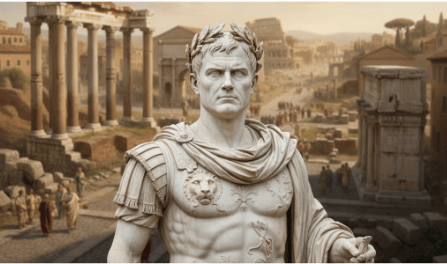

Mark Antony is much more than a side character in Julius Caesar. He is a powerful force who drives the story forward. His actions create most of the tension in the play.
Shakespeare made Antony a complex person. He is a mix of loyalty, ambition, and skill. He is also a very gifted speaker. Let’s look at his main traits in more detail.
Loyalty is Antony’s main trait. Brutus betrays Caesar for his own beliefs. In contrast, Antony stays devoted to his friend. He values personal bonds more than anything else. This is clear after Caesar is killed.
We see Antony’s clever side after Caesar’s death. He is a master at tricking others to get what he wants.
At first, Antony seems happy just to support Caesar. However, his own ambition shows up after the murder. He sees the chaos as a chance to gain power.
Even when he is plotting, Antony shows respect. He is especially respectful toward Brutus.
Antony is a master of rhetoric. His funeral speech shows that feelings can be more powerful than logic in politics.
His skill as a speaker allows Antony to convert loyalty and grief into political advantage, proving his effectiveness as both a statesman and manipulator.While this play is a drama, it is based on the real history of the Roman Republic. If you are struggling with the facts behind the Second Triumvirate, our history homework help can clarify the timeline for you. Knowing the real history makes the play even more exciting.
Mark Antony’s relationships with other characters in Julius Caesar are central to understanding his personality, ambitions, and strategies. Through these interactions, Shakespeare highlights Antony’s loyalty, cunning, and political acumen.
Antony’s loyalty and friendship with Caesar form the foundation of his character. Caesar trusts Antony with personal matters and values his counsel, which demonstrates the depth of their bond.
Antony’s interactions with Brutus and Cassius reveal his cunning and emotional intelligence.
The clash between Brutus and Antony is a perfect subject for a literary analysis essay. It shows how different goals can lead to the same tragic end. Shakespeare uses their relationship to highlight the tension between private honor and public duty.

Antony’s funeral speech is one of Shakespeare’s most memorable examples of persuasive rhetoric. It demonstrates Antony’s mastery of language, emotion, and political strategy.
Key Techniques Used:
Impact:
Antony’s speech at the funeral is a masterclass in persuasion. Learning how to perform a rhetorical analysis will help you see how he uses irony. He turns a sad crowd into a violent mob using only his words.
After Caesar is killed, Antony moves from being a loyal friend to a power player. He uses his smart plans and ambition to survive the chaos of Rome. This helps him eventually take control.
After Caesar’s death, Antony joins forces with Octavius and Lepidus. Together, they form the Second Triumvirate.
Antony is also a great general. This shows during the Battle of Philippi when he fights Brutus and Cassius.
Antony’s drive for power is a strength, but it also leads to hard choices:
Struggling to capture Shakespeare’s brilliance? Our senior writers provide expert research and custom insights to help you excel. For a high-quality analysis of Julius Caesar delivered straight to your inbox.
Mark Antony leaves a strong mark on the play and the audience. He is a mix of loyalty, ambition, and clever skill. This makes him a very powerful figure. Here, we look at his legacy and what we can learn from his character. Before you start writing about Antony’s legacy, you must organize your thoughts. Knowing how to write an outline is essential for any student. A good plan will keep your arguments focused and make your writing much stronger.
Antony’s actions change the story of Julius Caesar in three big ways:
Shakespeare’s version of Antony teaches us about leadership and human behavior:
Mark Antony embodies traits that define a successful, though morally complex, political leader:
Antony is a Roman general and a loyal friend to Julius Caesar. He is also a gifted speaker. After Caesar is killed, he uses his skills to take control of Rome.
He is loyal, ambitious, and very clever. He is also respectful and knows how to lead in politics. His greatest strength is his ability to persuade the public.
His love for Caesar drives everything he does. It motivates him to seek revenge against the killers. This loyalty shapes his plans and the deals he makes in Rome.
Brutus relies on logic and what he thinks is right. In contrast, Antony uses feelings and smart political moves to get what he wants.
Ambition drives Antony to turn the people’s sadness into political power. He makes smart alliances and gets rid of threats to keep his influence strong.
He is a great leader because he understands how people feel. He uses his speaking skills to control his allies and the public. This turns his influence into real power.
Antony has to balance his love for Caesar with his own desire for power. During a time of war, he must choose between doing what is fair and doing what helps him win.

Hi, I am Mark, a Literature writer by profession. Fueled by a lifelong passion for Literature, story, and creative expression, I went on to get a PhD in creative writing. Over all these years, my passion has helped me manage a publication of my write ups in prominent websites and e-magazines. I have also been working part-time as a writing expert for myassignmenthelp.com for 5+ years now. It’s fun to guide students on academic write ups and bag those top grades like a pro. Apart from my professional life, I am a big-time foodie and travel enthusiast in my personal life. So, when I am not working, I am probably travelling places to try regional delicacies and sharing my experiences with people through my blog.










 WhatsApp

