Business research involves a systematic investigation into business-related problems and solutions. It helps organizations understand market trends, customer behavior, and potential opportunities. Academic business research applies similar methodologies to evaluate concepts, theories, and business models.Need expert help turning your research into an A+ paper? Get assignment support from top writers here.
Area
What It’s About (In Simple Terms)
Example Question a Company Might Ask
Management
How a boss organizes people and runs the office.
“Does giving people a break day help them work better? Need project management coursework help?”
Marketing
How a company gets people excited to buy stuff (ads!).
“Which sells more: a fun picture ad or a short video ad?”
Finance
Money! Saving it, spending it, and investing it.
“Should we put our money in the bank or invest in a new store?” Get
finance homework help for these topics.
Ethics
Doing the right thing and being fair.
“Should we sell clothes made in factories where workers aren’t paid much?”
Finance is a core part of business studies. You should review these trending financial research topics to understand how companies manage money and risk.
Strategic Management & Innovation Topics
Here are 40 topics focused on Strategic Management and Innovation.
Analyzing the strategic necessity of purpose-driven branding in the current market.
The impact of corporate agility (quick adaptation) on market competitiveness.
Strategies for navigating political instability in international business operations.
The role of scenario planning in preparing businesses for unpredictable market changes.
Investigating the strategic value of forming joint ventures versus outright acquisition.
The influence of board diversity on the quality of strategic decision-making.
The effectiveness of organizational learning in preventing past strategic failures.
Strategies for managing the risks associated with disruptive innovation.
Analyzing the long-term strategic viability of circular economy business models.
The role of intellectual property strategy in maintaining competitive advantage.
How cultural values influence the preference for centralized versus decentralized management structures.
The strategic importance of data governance in minimizing legal and reputational risks.
Investigating how companies integrate Sustainable Development Goals (SDGs) into core strategy.
The impact of digital platforms (e.g., Amazon, Shopify) on market entry strategy.
Analyzing the strategic difference between being a market leader versus a niche specialist.
The relationship between a company’s mission statement and its actual performance metrics.
Strategies for strategic outsourcing of non-core business functions.
The impact of reputation management on shareholder value during a crisis.
How companies leverage Blue Ocean Strategy to create uncontested market space.
The role of open innovation (collaborating with external partners) in accelerating product development.
The strategic challenges of managing legacy systems while pursuing digital transformation.
Analyzing the impact of technological convergence (e.g., merging IT and healthcare) on industry boundaries.
The role of internal venturing (corporate entrepreneurship) in fostering sustainable growth.
Investigating the influence of top management commitment on the success of innovation projects.
Strategies for protecting trade secrets and proprietary knowledge in a globalized market.
The strategic management of intellectual capital (human, structural, and relational capital).
Analyzing the effectiveness of design thinking as a framework for strategic innovation.
The role of platform strategies (e.g., two-sided markets) in achieving network effects.
Investigating the strategic factors behind successful business model pivots (major shifts).
The impact of corporate transparency on building long-term stakeholder trust and competitive advantage.
Strategies for managing the scaling challenges that accompany rapid technological adoption.
The influence of industry regulation on the pace and direction of innovation.
Analyzing the effectiveness of different innovation funding models (e.g., internal budgets vs. external VC).
The strategic role of risk management in supporting aggressive market expansion.
Investigating how organizational structure can hinder or accelerate innovation processes.
The strategic use of mergers and acquisitions to acquire specific technologies or innovative capabilities.
The impact of corporate culture on an organization’s willingness to embrace strategic change.
Analyzing the long-term strategic effects of adopting remote-first work models.
The strategic challenges of balancing exploration (new ideas) and exploitation (current efficiency).
The role of metrics and key performance indicators (KPIs) in tracking and rewarding strategic innovation.
Pro Tip: For Strategy and Innovation topics, focus on future trends 2026 and use a technology lens. Turn ideas into full papers with business essay writing guidance.
Human Resources (HR) & Organizational Behavior Topics
These topics from our business ethics assignment help focus on talent, employee well-being, and internal management dynamics.
The impact of remote working on employee mental health and well-being.
Strategies for reducing employee turnover in high-stress customer service roles.
The effectiveness of diversity and inclusion training in reducing workplace bias.
Analyzing the influence of leadership styles on team performance and motivation.
The role of employee recognition programs in boosting workplace morale.
Investigating the challenges of managing a multi-generational workforce (Gen Z, Millennials, Boomers).
The impact of AI and automation on job design and future skill requirements.
Analyzing the effectiveness of wellness programs on reducing employee sick days and stress.
The ethical implications of employee monitoring in remote work environments.
Strategies for attracting and retaining top talent in competitive industries.
The role of psychological safety in fostering innovation within work teams.
Analyzing the impact of organizational politics on employee job satisfaction.
The importance of leadership training on shaping corporate culture.
How manager-employee relationships directly impact overall team performance.
The role of mentorship in developing leadership skills among new hires.
Effective strategies for conflict resolution within diverse work teams.
The challenges faced by women in leadership roles in male-dominated sectors.
Investigating the adoption of Agile HR methodologies (Scrum, Kanban) in HR functions.
The impact of cross-cultural communication challenges in global virtual teams.
Strategies for managing employee burnout and promoting a healthy work-life balance.
Analyzing the effectiveness of performance appraisal systems on employee development.
The relationship between employee engagement and overall business profitability.
The role of employer branding in attracting qualified job applicants.
Investigating the impact of flexible work arrangements on organizational commitment.
Strategies for minimizing the negative effects of layoffs on remaining employees’ morale.
The effectiveness of gamification in corporate training and development programs.
Analyzing the ethical use of social media screening in the recruitment process.
The impact of job crafting on employee motivation and fulfillment.
The role of employee voice mechanisms (e.g., surveys, forums) in organizational decision-making.
Investigating the challenges of implementing a pay-for-performance compensation system.
Strategies for managing knowledge transfer when senior employees retire.
The influence of organizational justice (fairness) on employee behavior.
Analyzing the effectiveness of onboarding programs in reducing new hire turnover.
The impact of workplace loneliness in remote and hybrid environments.
The role of HR technology (HRIS) in improving HR service delivery efficiency.
Investigating the relationship between corporate social responsibility and employee pride/engagement.
Strategies for managing employee stress related to rapid technological change.
The challenges of implementing unlimited vacation policies in different organizational cultures.
Analyzing the impact of workplace design (office layout) on employee collaboration and focus.
The ethical implications of using predictive analytics to identify employees likely to quit.
Pro Tip: When tackling HR topics, utilize the “before and after” comparison (e.g., comparing productivity/satisfaction before vs. after implementing a remote work policy). Structure your analysis around employee morale as a key variable.
If you are looking for trending study areas, consider investigating how digital transformation reshapes markets, and hire business environment assignment experts to guide your thesis.
Marketing & Customer Relations Topics (20)
These topics focus on branding, digital strategy, consumer psychology, and service excellence.
Analyzing the effectiveness of green marketing in influencing sustainable purchasing decisions.
How digital marketing strategies (e.g., SEO, PPC) influence consumer behavior in the retail sector.
The effectiveness of influencer marketing in reaching target audiences (e.g., Generation Z).
The role of social media analytics in shaping corporate marketing strategies.
The influence of celebrity endorsements on consumer trust and purchasing behavior.
How online reviews and ratings affect consumer trust in new e-commerce brands.
Exploring consumer attitudes towards sustainable and ethically sourced products.
Key factors influencing consumer decision-making in the e-commerce environment.
The influence of community engagement on brand loyalty and advocacy.
The impact of Augmented Reality (AR) features on online retail sales conversions.
Strategies for leveraging user-generated content (UGC) in marketing campaigns.
The effectiveness of omnichannel marketing strategies (integrating online and offline).
The role of neuromarketing (studying the brain) in understanding consumer behavior.
The impact of voice search technology on search engine optimization (SEO) strategies.
Analyzing the growth and effectiveness of subscription-based business models.
The role of gamification in enhancing customer engagement and brand loyalty.
Marketing strategies for reaching and engaging Generation Z consumers.
The influence of podcast advertising on brand awareness and purchasing intent.
The effectiveness of cross-promotion and strategic partnerships in increasing sales.
How consumer protection laws influence digital marketing practices and data use.
The impact of personalized email marketing on customer retention rates.
Analyzing the effectiveness of video content marketing on conversion rates compared to text.
The role of Chatbots and AI in improving 24/7 customer service response times.
Investigating the impact of short-form video platforms (like TikTok) on brand awareness.
Strategies for managing and responding to viral negative customer feedback on social media.
The effectiveness of loyalty programs that offer experiential rewards over simple discounts.
Analyzing consumer trust in brand transparency regarding product ingredients and sourcing.
The impact of pop-up shops and temporary retail experiences on brand perception.
The role of customer effort score (CES) in predicting long-term customer loyalty.
Strategies for effectively marketing to a multicultural consumer base without alienating groups.
The influence of visual design and aesthetics in e-commerce websites on sales.
Analyzing the ethical concerns surrounding targeted advertising based on personal data.
The impact of data privacy regulations (like GDPR) on global digital marketing campaigns.
The effectiveness of guerrilla marketing tactics in increasing brand recognition for startups.
Strategies for rebuilding customer trust after a major service failure or product recall.
The role of Augmented Reality (AR) try-ons in reducing clothing and makeup returns.
Investigating the effectiveness of cause-related marketing (tying sales to charity) on purchasing intent.
Analyzing how pricing strategies (e.g., dynamic pricing) affect consumer perception of fairness.
The impact of mobile app usability (UX/UI) on customer engagement and repeat business.
The role of real-time customer feedback systems in immediate service improvement.
Pro Tip: For Marketing topics, use real-world examples and data. You must be thinking Is it legal to get strategy assignment help? Yes, taking legal advice and help within boundaries is applicable. Conduct a simple survey asking peers which marketing channel influences them most, or perform a social media audit on two competing brands.
Easy Business Project & Presentation Topics
Analyze how logo color affects a customer’s decision to buy from a local fast-food restaurant.
Compare the effectiveness of two local competing businesses’ loyalty programs.
Study student preferences for buying specific products online versus in a physical store.
Assess whether advertising on TikTok or Instagram is more effective for a new product.
Determine how a one-star difference in an online review rating affects a local shop’s traffic.
Design a complete business plan for a hypothetical sustainable product.
Create a detailed startup budget and cash flow forecast for a small, local service business.
Present a 4-step plan to improve the social media presence of a small, local business.
Develop a pitch deck for a new consumer gadget or service idea.
Perform a SWOT Analysis comparing two local competing brands e.g., two hair salons or gyms. Apply real examples with case study help from experts like Jack Arens (MBA in HRM).
Study how flexible work hours affect employee productivity and stress levels.
Compare the effectiveness of financial incentives versus non-financial recognition in motivating a small team.
Research and compare three common conflict resolution strategies used in the workplace.
Analyze how a 10% rate of inflation would force a hypothetical family to change their spending priorities.
Assess the level of financial literacy among high school or college students.
Analyze the ethical and legal consequences for a company that experiences a major data privacy breach.
Research if consumers are willing to pay more for products with a clear Fair Trade certification.
Investigate the ethical claims of “greenwashing” by a major consumer brand.
Analyze how a company should manage the ethical issues surrounding the use of AI in hiring.
Determine the financial impact of digital payment systems (e.g., Apple Pay) on a small local business.
Analyze how the type of music played in a grocery store influences customer shopping speed.
Investigate the impact of e-commerce returns on the profitability of a small online clothing store.
Create a customer profile for a target audience (e.g., college students) for a specific product.
Research the benefits and drawbacks of operating a business from a home office versus a commercial space.
Analyze the supply chain steps for a common household product (e.g., milk or coffee).
Compare the customer service quality of two competing fast-food chains.
Design an improved employee onboarding program for a local retail store.
Research the cost of living in two different cities and how it affects starting salaries.
Investigate the ethical dilemma of price discrimination based on online customer data.
Analyze the effectiveness of pop-up shops as a marketing strategy for online brands.
Develop a simple risk management plan for a local event (e.g., a school fair or concert).
Compare the use of traditional advertising (newspaper, radio) vs. digital ads for local services.
Research the impact of employee training on reducing errors in customer orders.
Analyze the pros and cons of implementing a “Bring Your Own Device” (BYOD) policy in a small office.
Investigate the role of crowdfunding platforms (e.g., Kickstarter) in financing small businesses.
Determine the best way for a small business to manage and protect its customer data.
Analyze the ethical responsibility of companies regarding packaging waste and plastic use.
Create a presentation on the key features of effective team communication software (e.g., Slack, Teams).
Research the impact of seasonal changes (e.g., Christmas, summer) on the sales strategy of a local business.
Analyze the effect of a recent minimum wage increase on the hiring strategy of local restaurants.
Pro Tip : For maximum project impact, focus locally. Gather original data (surveys, interviews) from a local business or community to make your analysis unique and credible, which is key for a successful presentation. Finding a gap in the market is easier when you useexpert entrepreneurship assignment help to refine your research.
The economic impact of minimum wage increases on employment levels in the service sector.
Analyzing the influence of monetary policy (interest rates) on stock market performance.
The role of financial literacy in the success or failure of small businesses.
The impact of corporate debt levels on a company’s credit rating and investment attractiveness.
Analyzing the role of capital budgeting techniques (NPV, IRR) in large investment decisions.
The influence of exchange rate volatility on the profitability of multinational corporations.
Investigating the effectiveness of dividend policies in attracting long-term shareholders.
The economic effects of an economic downturn (recession) on Small and Medium Enterprises (SMEs).
The role of tax incentives in encouraging small business investment and growth.
Analyzing the impact of International Financial Reporting Standards (IFRS) convergence on corporate transparency.
The ethical and financial challenges of managing off-balance sheet financing.
The effectiveness of different hedging strategies in mitigating commodity price risks.
The economic implications of a rise in wealth inequality on consumer spending.
Analyzing the impact of central bank digital currencies (CBDCs) on commercial banking.
The role of auditing committees in ensuring the independence of external auditors.
Investigating the use of data mining techniques in detecting subtle financial statement manipulation.
The economic impact of trade protectionism (tariffs) on domestic industries.
Analyzing the financial performance comparison between publicly traded companies and private equity-backed firms.
The role of sustainability accounting (ESG) in capturing environmental costs.
The effectiveness of microloans in promoting financial inclusion and small-scale entrepreneurship.
The impact of Fintech lending platforms on the market share of traditional commercial banks.
Analyzing the economic viability of carbon taxes as a tool for reducing industrial emissions.
The challenges of asset valuation for intangible assets like brand reputation and patents.
The influence of investor sentiment (behavioral finance) on short-term stock market fluctuations.
Strategies for managing the financial risks associated with global supply chain disruptions.
The financial justification for implementing blockchain technology in accounting and auditing.
Analyzing the impact of aging populations on national pension funding and economic growth.
The role of financial modeling in valuing technology start-ups with high growth but no immediate profit.
Investigating the financial benefits and risks of corporate debt financing versus equity financing.
The impact of digital transformation on the cost structure of banking operations.
Analyzing the use of activity-based costing (ABC) in service industry management.
The effectiveness of Venture Capital (VC) funding models compared to bank loans for new businesses.
The relationship between corporate governance ratings and a company’s cost of capital.
The impact of zero-interest-rate policies on consumer savings behavior and investment.
Analyzing the economic impact of tourism on a specific developing region.
The role of tax havens in corporate financial strategy and global taxation.
Investigating the economic consequences of national debt accumulation in developed countries.
The impact of cloud computing adoption on the capital expenditure of IT companies.
Analyzing the financial effects of share buybacks versus dividend payouts on shareholder returns.
The use of forensic accounting in uncovering money laundering schemes.
Pro Tip: For Finance and Economics topics, ground your research in real-world events. Use the 2008 Financial Crisis or the COVID-19 pandemic as case studies to demonstrate the impact of external forces on financial decisions. If you are struggling with a complex topic, viewing abusiness intelligence assignment sample can provide a roadmap for your data analysis.
Trending International Business Topics
These topics address global trends, cross-cultural management, and the complexities of operating across borders.
Here are 40 current and accessible research topics focusing on International Business.
Analyzing the strategic shift of multinational corporations (MNCs) towards reshoring manufacturing operations.
The impact of de-globalization trends on international trade and investment flows.
Investigating the challenges of managing cross-cultural communication in remote global teams.
The effectiveness of digital platforms (e.g., Alibaba) in helping small businesses access foreign markets.
Analyzing the strategies MNCs use to comply with varying global data privacy regulations (e.g., GDPR).
The role of blockchain technology in enhancing transparency and security in international supply chains.
The impact of political instability (e.g., trade wars) on foreign direct investment (FDI) decisions.
Investigating the adoption of Sustainable Development Goals (SDGs) by global corporations.
Analyzing the effectiveness of entry modes (e.g., joint ventures vs. wholly-owned subsidiaries) in emerging markets.
The ethical implications of global corporations utilizing tax havens for profit optimization.
The influence of exchange rate volatility on the profitability and pricing strategies of exporting firms.
Strategies for mitigating geopolitical risks associated with international market expansion.
The role of microfinance institutions in supporting global entrepreneurship and economic development.
Analyzing the impact of Fintech innovation on reducing the cost of cross-border financial transactions.
The challenges of harmonizing international labor standards across a multinational organization.
The effects of regional trade agreements (e.g., EU, ASEAN) on localized business operations.
Investigating the competitive strategies of Born Global Firms (companies that internationalize early).
Analyzing consumer attitudes and resistance towards foreign brands in specific developing countries.
The strategic use of global outsourcing and its impact on domestic job markets.
The role of corporate governance standards in attracting international institutional investment.
The influence of national culture (Hofstede’s dimensions) on international business negotiations.
Analyzing the operational challenges faced by e-commerce companies in cross-border logistics and customs.
The impact of digital transformation on reducing agency costs for MNCs.
Investigating the ethical responsibilities of MNCs regarding environmental standards in host countries.
Strategies for managing repatriation of profits and capital across different regulatory environments.
The effectiveness of global marketing standardization versus localization strategies.
Analyzing the role of WTO policies in regulating international trade disputes and tariffs.
The strategic challenges faced by companies expanding into the African continental free trade area (AfCFTA).
The impact of cultural distance on the success rate of international mergers and acquisitions.
Investigating the use of carbon border adjustments as a tool in international trade policy.
The role of expatriate managers in transferring knowledge and best practices within MNCs.
Analyzing the competitive dynamics between traditional MNCs and emerging market MNCs.
The challenges of ensuring intellectual property protection in different global jurisdictions.
Strategies for managing a global workforce during a health crisis (e.g., pandemic preparedness).
The role of Foreign Corrupt Practices Act (FCPA) compliance in international business ethics.
Analyzing consumer acceptance and diffusion of innovative products across different cultures.
The economic impact of international migration on labor markets in host and home countries.
Investigating the use of AI and machine learning to forecast global market demand.
The strategic necessity of sustainability reporting for securing international financing.
Analyzing the impact of global regulatory fragmentation on the pharmaceutical or tech industries.
Pro Tip: For International Business, choose a single MNC (e.g., McDonald’s, IKEA) and compare its strategy in two different countries (e.g., India vs. Germany) to highlight cultural and economic adaptation. Choosing a topic on digital transformation often leads to the study of resource management; you can find specializedERP homework help USA to support your research findings.
Unique Business Ethics & Social Responsibility Topics (20)
These topics delve into moral dilemmas, corporate accountability, and the intersection of profit with social good.
Here are 40 unique research topics covering Business Ethics and Social Responsibility:
The ethics of using AI algorithms in hiring and performance appraisals to prevent bias.
Analyzing the true effectiveness of corporate “greenwashing” campaigns versus genuine sustainability efforts.
The moral obligation of technology companies regarding user mental health (e.g., social media addiction).
The ethical dilemma of price discrimination in e-commerce based on customer data and browsing history.
Corporate responsibility for monitoring and controlling labor practices in foreign supply chains.
The ethical debate surrounding the use of deepfake technology in corporate training and marketing.
The moral justification for companies selling products with planned obsolescence (designed to fail).
Analyzing the effectiveness of whistleblower protection programs in uncovering corporate fraud.
The ethical implications of using biometric data (fingerprints, facial scans) for employee tracking and attendance.
The role of corporate governance in preventing environmental disasters caused by operational negligence.
The ethics of data collection by wearable fitness technology and its potential use by insurance companies.
Investigating the responsibility of food and beverage companies in addressing the obesity crisis.
Analyzing the effectiveness of carbon offset programs as a strategy for corporate environmental responsibility.
The ethical dilemma of investing in companies operating in politically unstable or authoritarian regimes.
The role of social entrepreneurship in achieving sustainable development goals (SDGs).
The ethical considerations of using genetic information in employee health and wellness programs.
Analyzing the impact of ethical sourcing standards (e.g., Fair Trade) on small-scale producers.
The moral obligation of pharmaceutical companies regarding drug pricing and global accessibility.
The ethics of targeted advertising aimed at vulnerable or young populations.
Investigating the relationship between corporate philanthropy and enhanced brand reputation.
The ethical implications of using non-compete clauses to restrict employee mobility and career growth.
Analyzing the responsibility of online platforms in managing the spread of misinformation and fake news.
The ethics of using animal testing in industries outside of pharmaceuticals (e.g., cosmetics).
The impact of stakeholder theory versus shareholder primacy on long-term ethical decision-making.
The ethical challenges faced by multinational corporations regarding cultural sensitivity in marketing.
Analyzing the effectiveness of tax avoidance strategies used by major corporations from an ethical standpoint.
The moral justification for implementing a universal basic income (UBI) model funded by corporate taxes.
The ethical considerations of developing and marketing autonomous vehicle technology.
The role of Chief Ethics Officers in influencing corporate board decisions and strategy.
Analyzing the effectiveness of labor unionization in improving ethical working conditions globally.
The ethics of collecting and selling user location data via mobile applications.
Investigating the impact of sustainable fashion initiatives on the lives of garment workers.
The ethical challenge of balancing profit motives with environmental protection in the resource extraction industry.
Analyzing the role of ethical hacking and bug bounty programs in promoting cybersecurity responsibility.
The ethical implications of using neuromarketing techniques to influence purchasing decisions.
The responsibility of companies to provide financial literacy training to their employees.
Investigating the influence of corporate lobbying on environmental and labor regulations.
The ethical considerations of developing products reliant on scarce, non-renewable resources.
Analyzing the impact of B Corp certification on a company’s financial performance and ethical reputation.
The ethical dilemma of managing the digital divide in access to essential technologies and services.
Pro Tip: For Ethics topics, use the dilemma approach. Present a real-world scenario where a company must choose between a financially beneficial option and an ethically sound option (e.g., outsourcing vs. domestic jobs) and argue your recommended solution.
Research Projects about Customer Relations and Service
The impact of personalized communication on customer retention rates.
Analyzing the effectiveness of AI chatbots versus human agents in resolving customer queries.
The relationship between employee empowerment and customer service quality.
Investigating the role of social media platforms in modern customer complaint resolution.
How the speed of service recovery influences long-term customer loyalty.
The effect of using customer effort scores (CES) on improving service delivery.
Analyzing the factors that contribute to a customer’s decision to leave a positive online review.
Strategies for managing and mitigating the impact of viral negative customer service experiences.
The influence of proactive communication (e.g., service outage alerts) on customer trust.
The role of customer relationship management (CRM) systems in enhancing personalization.
How different organizational cultures (e.g., customer-centric vs. product-centric) affect service quality.
The impact of self-service options (FAQs, knowledge bases) on customer satisfaction levels.
Analyzing the challenges of providing consistent omnichannel customer service.
The relationship between employee training and measured first-call resolution rates.
Investigating the ethical use of data analytics to predict customer churn.
The effect of offering personalized discounts and rewards on encouraging repeat business.
Strategies for improving customer service accessibility for individuals with disabilities.
The impact of emotional intelligence in frontline staff on perceived service quality.
Analyzing how transparent return and refund policies build consumer confidence.
The role of customer advocacy programs in generating authentic word-of-mouth marketing.
Investigating the correlation between customer lifetime value (CLV) and investment in service resources.
The influence of live video support on resolving complex technical customer issues.
Analyzing customer expectations regarding 24/7 service availability in different industries.
The impact of automated feedback requests (surveys) on customer service perception.
Strategies for reducing customer waiting times and their effect on satisfaction.
The role of internal communication quality on external customer service consistency.
Investigating consumer trust in AI-generated service recommendations versus human advice.
Analyzing how companies leverage online communities for peer-to-peer customer support.
The effect of implementing a customer service excellence award on employee motivation.
The challenges of delivering personalized service while maintaining strict customer data privacy.
The impact of service agent empathy training on measurable customer satisfaction scores.
Analyzing the effectiveness of visual aids (e.g., screen sharing) in remote customer support.
Strategies for managing customer expectations during product launch failures or delays.
The role of customer complaint analysis in driving product development and quality control.
Investigating the financial benefits of investing in premium customer support tiers.
The influence of company values (e.g., integrity, transparency) on the tone of service interactions.
Analyzing the differences in customer service expectations between B2B and B2C models.
The impact of integrating CRM data with sales processes on overall customer experience.
Strategies for recovering customer trust after a major service failure or outage.
The role of social listening tools in proactively identifying customer service issues before they escalate.
Pro Tip: Focus on a single interaction: Research one specific point (e.g., chat vs. phone) using original data (customer interviews) for a unique, high-quality, and easy-to-manage project.
Innovation, Technology & Operations (20 New Topics)
These topics focus on emerging tech adoption, process optimization, and operational logistics.
Here are 40 topics focused on Innovation, Technology, and Operations in business management:
The impact of Artificial Intelligence (AI) on customer service automation.
The role of data analytics in transforming business decision-making processes.
How blockchain technology can improve supply chain transparency and security.
The effect of automation and robotics on traditional manufacturing industries.
Strategies for maintaining online security and consumer trust in e-commerce.
The role of strategic planning in driving successful business innovation.
How businesses adapt quickly to technological disruptions in their market.
The influence of digital currencies and stablecoins on traditional banking systems.
Investigating the use of IoT (Internet of Things) devices to improve operational efficiency.
The ethical implications of using facial recognition technology in retail and public spaces.
The impact of digital transformation on organizational culture and employee skills.
Analyzing the role of cloud computing in supporting start-up growth and scalability.
Strategies for managing cybersecurity threats in small and medium-sized businesses.
The impact of Virtual Reality (VR) and Augmented Reality (AR) on the retail shopping experience.
The role of intellectual property protection in fostering business innovation.
How businesses utilize social media analytics for product development.
The effectiveness of Agile methodologies in managing non-IT development projects.
Strategies for overcoming employee resistance to the adoption of new workplace technologies.
Analyzing the impact of 5G technology on business operations and mobile commerce.
The importance of UI/UX design in the success of mobile business applications.
Analyzing the application of predictive maintenance using AI in large-scale manufacturing.
The role of Robotic Process Automation (RPA) in increasing efficiency in back-office tasks.
Investigating the challenges of integrating Internet of Things (IoT) data streams into business intelligence dashboards.
The operational impact of moving from a physical office server to cloud-based infrastructure.
Strategies for optimizing delivery routes using geospatial analytics for logistics companies.
The role of 3D printing technology in reducing product development time and cost.
Analyzing the operational benefits of the Just-in-Time (JIT) inventory system in a modern context.
The impact of Augmented Reality (AR) in training and performing maintenance tasks in factories.
Investigating the use of drones for inventory management and delivery logistics.
Operational challenges in implementing a zero-waste manufacturing process.
The effectiveness of smart contracts (blockchain-based) in automating supply chain payments.
Strategies for managing the high initial cost and risk of adopting pioneering technology.
The role of data visualization tools in helping managers interpret complex operational data.
Analyzing the operational benefits of digital twins (virtual models of physical assets) in asset management.
The impact of customization and personalization demands on production line efficiency.
Investigating the use of biometrics for enhanced security in corporate data centers.
The operational challenges of ensuring data integrity when collecting information from multiple sources.
The role of open-source software in reducing operational costs for small businesses.
Analyzing the impact of machine learning on improving fraud detection rates in finance.
Strategies for managing the scaling challenges that accompany rapid e-commerce growth.
Pro Tip: When studying Operations, use the A-B-C Analysis or Pareto Principle (80/20 Rule) to identify the most critical items (e.g., 20% of your products account for 80% of your problems/revenue) that should be the focus of your optimization efforts.
Good Business Management Research Topics for 2026
Here are 40 timely and relevant research topics in Business Management, suitable for 2026—pair them with our business management dissertation topics for deeper 2025 insights like AI and ESG.
Analyzing the long-term impact of hybrid work models on corporate real estate strategy.
The effectiveness of AI-driven recruitment tools in mitigating unconscious bias in hiring.
Investigating the role of Chief Sustainability Officers (CSOs) in influencing board-level decisions.
Strategies for managing cybersecurity risks associated with increased reliance on cloud computing in SMEs.
The influence of Generation Z’s values on organizational culture and leadership styles.
Exploring the ethical challenges of using deepfake technology in marketing and corporate communications.
The impact of central bank digital currencies (CBDCs) on commercial banking models.
Analyzing the strategic necessity of adopting circular economy principles for competitive advantage.
The effectiveness of Agile methodology implementation in non-IT departments (e.g., HR or Finance).
Investigating the correlation between employee financial literacy and workplace productivity.
The role of Augmented Reality (AR) in transforming employee training and operational maintenance.
Analyzing consumer acceptance and trust in personalized pricing strategies based on data analytics.
The impact of ESG (Environmental, Social, Governance) reporting on investor decision-making.
Strategies for managing the scaling challenges associated with rapid e-commerce growth.
Exploring the influence of behavioral economics on managerial decision-making under uncertainty.
The effectiveness of whistleblower protection policies in maintaining ethical compliance.
Analyzing the strategic use of open innovation (external collaboration) in R&D departments.
The impact of remote leadership on team cohesion and psychological safety.
Investigating the adoption and resistance to Robotic Process Automation (RPA) in accounting functions.
The strategic role of data governance frameworks in preventing reputational damage.
Analyzing the long-term financial viability of Universal Basic Income (UBI) and its impact on consumer markets.
The effectiveness of cross-cultural communication training for global virtual teams.
Investigating the impact of blockchain technology on supply chain transparency and logistics tracking.
Strategies for managing burnout and promoting mental health in high-pressure tech industries.
The influence of micro-influencers versus celebrities on brand loyalty and sales.
Analyzing the role of ethical AI auditing in corporate social responsibility.
The financial performance comparison between purpose-driven companies and traditional profit-maximizing firms.
Investigating the challenges of intellectual property protection in developing international markets.
The strategic necessity of reskilling and upskilling programs to combat technological job displacement.
Analyzing the impact of Fintech lending platforms on the market share of traditional commercial banks.
The role of digital twins (virtual models) in optimizing manufacturing and asset management.
Strategies for mitigating supply chain fragility through diversification and localized sourcing.
Investigating consumer response to subscription model fatigue across various industries.
The impact of organizational commitment to diversity on financial performance metrics.
Analyzing the strategic benefits of adopting servitization models (selling service instead of product).
The effectiveness of gamification techniques in improving employee training and engagement.
Investigating the challenges of talent management in the metaverse and virtual work environments.
Strategies for addressing the global tax implications of fully remote international workforces.
The role of customer effort scores (CES) in predicting long-term brand loyalty.
Analyzing the strategic difference between business sustainability and simple regulatory compliance.
Pro Tip: For 2026 topics, focus on AI, ESG, and Hybrid Work. Use current case studies (e.g., Tesla, Microsoft) to ground your research in recent, actionable data and trends.
Business Management Project Topics for Management
Here are 40 focused topics suitable for Business Management Project Topics for Management:
Analyzing the impact of organizational structure (flat vs. hierarchical) on team communication speed.
The effectiveness of scenario planning in preparing a business for major market disruptions.
Investigating the role of knowledge management systems in enhancing organizational learning.
Strategies for improving inter-departmental communication to reduce operational bottlenecks.
The influence of different leadership styles (e.g., servant, authoritarian) on employee commitment.
Analyzing the success factors of business incubator programs in supporting startup growth.
The importance of change management strategies during technological adoption within a company.
Strategies for maximizing employee engagement in a fully remote or hybrid work environment.
The impact of corporate social responsibility (CSR) initiatives on management decision-making.
Investigating the role of emotional intelligence in a manager’s effectiveness and conflict resolution.
Analyzing the effectiveness of mentoring programs in fast-tracking junior management development.
The challenges of managing a multi-generational workforce and leveraging diverse perspectives.
Strategies for fostering an innovation culture within a traditionally risk-averse organization.
The relationship between organizational culture and employee turnover rates.
Analyzing the decision-making process for strategic alliances and joint ventures.
The impact of micromanagement on subordinate autonomy and long-term productivity.
Investigating how companies use data analytics to inform strategic resource allocation.
Strategies for successful post-merger integration and minimizing cultural conflict.
The role of ethical considerations in senior management’s strategic choices.
Analyzing the effectiveness of performance appraisal systems in motivating employees.
The impact of digital transformation on the required skills of middle managers.
Investigating the use of the Balanced Scorecard approach for strategic performance measurement.
Strategies for promoting psychological safety to encourage risk-taking and innovation.
The influence of board diversity on the quality of corporate strategic decisions.
Analyzing the management challenges associated with global supply chain reliability.
The effectiveness of Agile methodologies in non-IT departments (e.g., HR, Marketing).
Investigating the role of project management office (PMO) in improving project success rates.
Strategies for managing employee resistance to major organizational restructuring.
The impact of flexible work arrangements on managerial supervision and trust.
Analyzing how competitive intelligence gathering influences business strategy formulation.
The importance of stakeholder management in large public sector projects.
Investigating the adoption and management challenges of Robotic Process Automation (RPA).
Strategies for improving cross-functional team collaboration and accountability.
The role of risk management protocols in ensuring business continuity during crises.
Analyzing the factors that contribute to decision-making biases in management.
The effectiveness of management by objectives (MBO) in modern organizational settings.
Investigating strategies for managing the scaling challenges of high-growth start-ups.
The impact of time management and delegation techniques on managerial efficiency.
Analyzing the methods companies use to measure the Return on Investment (ROI) of training programs.
The strategic role of sustainable development goals (SDGs) in long-term business planning.
Pro Tip: For a strong project, focus locally. Interview a manager at a nearby business to gather original data on their current leadership challenges or strategies.
Research Projects about Strategy and Decision-Making (20 Topics)
Here are 40 research topics focused solely on Strategy and Decision-Making in Business Management.
Analyzing the strategic necessity of purpose-driven branding in competitive markets.
The impact of corporate agility and fast adaptation on long-term market competitiveness.
Strategies for navigating geopolitical risks and instability in international business operations.
The role of scenario planning in preparing businesses for highly unpredictable market changes.
Investigating the strategic value of forming joint ventures versus complete mergers or acquisitions.
The influence of board diversity (age, gender, background) on the quality of strategic decisions.
The effectiveness of organizational learning mechanisms in preventing past strategic failures from recurring.
Strategies for managing the risks associated with disruptive innovation across various industries.
Analyzing the long-term strategic viability of circular economy business models.
The role of intellectual property strategy in building and maintaining competitive advantage.
How national or corporate cultures influence the preference for centralized versus decentralized management structures.
The strategic importance of data governance in minimizing legal and reputational risks associated with information.
Investigating how companies successfully integrate Sustainable Development Goals (SDGs) into core corporate strategy.
The impact of digital platforms (e.g., app stores, e-commerce giants) on the market entry strategy of small businesses.
Analyzing the strategic difference between being a market leader versus successfully defending a niche specialist position.
The relationship between a company’s mission statement and its actual long-term financial performance metrics.
Strategies for strategic outsourcing of non-core business functions to enhance organizational focus.
The impact of reputation management strategies on shareholder value during an organizational crisis.
How companies leverage Blue Ocean Strategy principles to create uncontested market space.
The role of open innovation (collaborating with external partners) in accelerating product development cycles.
Analyzing the strategic rationale for companies choosing to divest (sell off) certain business units.
The effectiveness of using real options analysis in evaluating flexible capital investment projects.
Investigating the impact of cognitive biases (e.g., confirmation bias) on executive decision-making.
Strategies for fostering risk-taking and entrepreneurial behavior within large, established corporations.
The role of organizational memory (systems for retaining knowledge) in improving strategic foresight.
Analyzing the trade-offs between speed and quality in fast-paced executive decision-making.
The strategic necessity of digital transformation for traditional manufacturing companies.
The impact of stakeholder theory (considering employees, community, etc.) on strategic choices versus purely shareholder focus.
The use of competitive intelligence systems to anticipate rivals’ strategic moves.
Analyzing the strategic management of ecosystems (networks of partners and customers) versus managing a linear supply chain.
The influence of CEO personality traits on the adoption rate of risky or novel strategies.
Strategies for managing path dependency (reliance on historical decisions) when radical change is needed.
Investigating the role of ethical frameworks in informing complex resource allocation decisions.
The impact of transparency regarding organizational values on external strategic partnerships.
Analyzing how companies effectively communicate strategic change to internal stakeholders (employees).
The strategic use of mergers and acquisitions to acquire necessary technological capabilities rather than market share.
The effectiveness of internal venture capital units in driving innovation within the parent company.
Analyzing decision-making processes in crisis situations versus routine operational decisions.
The strategic alignment of human resource policies with the overall business strategy.
Investigating the competitive advantages gained through effective resource-based view (RBV) analysis.
Pro Tip: For a strong strategy project, use the VRIO Framework (Value, Rarity, Imitability) to assess whether a company’s resource provides a true competitive advantage.
Why Picking the Right Topic is Super Important
Choosing your topic isn’t just the first step—it’s the most important step!
1. The Success Meter (Your Grade!)
If your topic is too BIG (like “All Business in the World”), you can’t cover it. If it’s too SMALL (like “The Price of Milk Today”), you won’t find enough information.
Pro Tip: Pick a topic that is like a middle-sized pool—not too big to swim across, but deep enough to explore!
2. The Fun Factor (Staying Motivated)
You will spend many hours on this project. If you pick something you find boring, you will get sick of it fast!
Pro Tip: Pick something you already like! If you love shoes, research how Nike uses social media to launch new sneakers.
3. The Future Connection (Showing Off!)
Your paper shows colleges or future employers that you can think clearly. If you research AI technology, it proves you are smart about the future.
This is a massive request! I will generate 20 topics each for the following four major, consolidated categories to cover the breadth of your list:
If you’re working on a final-year project, our professional business capstone project help can guide you through research design, data collection, and final report structuring.
Make the Perfect Question
In business research, this step is about defining the Research Objective or the Business Problem you need to solve.1
Don’t write about “Marketing.” Write about: “Does using a phone app to try on clothes (AR) make teenagers buy more shoes?”
Be Specific: Add a location or a group (like “teenagers”) to make the question small enough to answer. This creates a focused scope for your study.
Be Answerable: Make sure you can find facts and evidence to answer your question! This ensures the research is feasible and the findings are data-driven.
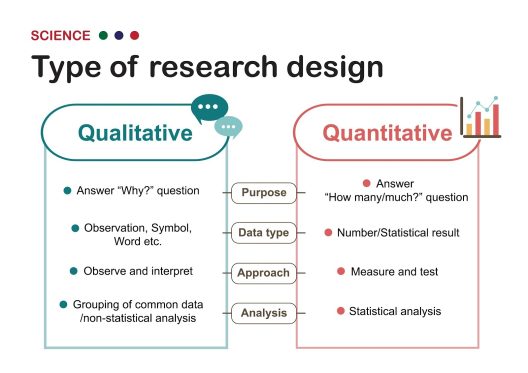
Choose Your Research Style
This step determines your Data Strategy—how you will gather the evidence to support your business findings.
Style
What It Measures (Simple)
When to Use It for Business Topics
Qualitative Research
You find answers using words, interviews, and stories (like a journalist).
Use this for topics about feelings, opinions, or the why people do things (e.g., employee satisfaction, brand perception).
Quantitative Research
You find answers using numbers, big surveys, and charts (like a scientist).
Use this for topics about how many or if A causes B (e.g., market share, sales conversion rates, financial impact).
Build Your Structure
This is the standard Report Format used by both academics and professional consultants to present clear, credible, and actionable findings.Follow our complete 6 steps to write your first business research paper.
Introduction: State your topic and your main question. This clearly establishes the problem context.
Literature Review: What have other smart people already said about this topic? (Show your sources!) This anchors your work in existing industry knowledge.Use our research writing services.
Methodology: How did you find your answers? (Did you interview people? Did you look at company reports?) This is essential for proving the credibility of your findings.
Findings: What answers did you discover? (Show your facts and numbers.) This is the data presentation section.
Conclusion: What is the final answer to your question? This provides the recommendation or key takeaway for the business.
Why These Steps Matter to Business Research
These steps are the professional framework for turning a broad idea into an actionable report.
Defines the Business Problem: The “Perfect Question” step forces you to define the specific objective a business needs to solve (not just a general topic).
Determines the Data Strategy: Choosing the research style (Qualitative vs. Quantitative) tells you exactly what kind of data you need to collect, which is the core of all real-world business analysis.
Provides a Credible Report: The “Structure” step outlines the standard format used by every business consultant to present credible, logical, and evidence-based findings to managers and executives.
Frequently Asked Questions (Business Research Projects)
Here are answers to some common questions students have when starting their business research:
How long should my research paper or thesis be?
The required length depends entirely on your course level:
High School Project/Report: Usually 5 to 10 pages.
Undergraduate (College) Research Paper: Typically 15 to 30 pages.
Academic Thesis (Advanced): Often 50+ pages.
Pro Tip: Always check the exact page count or word count requirement your instructor gives you first!
What makes a source “credible” in business research?
A credible source is one you can trust to give accurate data. Look for:
Academic Journals: Articles written by professors and experts (e.g., Harvard Business Review).
Industry Reports: Data published by major consulting firms (e.g., McKinsey, Deloitte).
Government Data: Statistics from national or international agencies.
Major News Outlets: Respected financial and business publications (e.g., The Wall Street Journal).
What’s the difference between a research paper and a thesis?
Research Paper (Report): Focuses on analyzing existing information. You use what others have written (articles, reports) to answer your question. This is common in management and strategy research paper help is often useful when students must apply business frameworks to real case studies.
Thesis (or Dissertation): Requires you to generate new information or data. You usually create and run your own survey, experiment, or in-depth interviews to contribute a unique finding to the field.
Can I use my own simple survey or conduct interviews?
Yes! Using your own data (called primary research) is excellent and often earns a better grade.
If you choose a topic like The Impact of Remote Work, conducting 5-10 interviews with working adults is a strong approach (Qualitative Research).
If you choose a topic like Subscription Model Fatigue, running a simple online survey with 20-30 friends and family is a great way to generate Quantitative Data.
What is the hardest part of writing a business paper?
The hardest part for most students is the Literature Review.
This is the section where you summarize everything that has already been said about your topic by experts. It requires careful reading and summarizing different articles and reports to show you understand the existing conversation. If you find this stage overwhelming, you can Get custom solutions for your business assignment topics from our experts, who can handle the deep research and literature synthesis for you.
Conclusion: Your Final Step to Success
You now have the biggest and simplest list of business research topics and the easy steps you need to write a great paper.
Remember the three keys to success: Size, Focus, and Simple Talk.
Size: You chose from over 550 ideas!
Focus: You picked a single, clear question.
Simple Talk: You will write about it clearly and easily.
I am Mark Hales, an experienced academic writing specialist skilled in assignments, research papers, and dissertations. With strong expertise in business communication and academic standards, I deliver clear, credible, and student-focused academic guidance.


 08 December,2025











 WhatsApp

