Get Instant Help From 5000+ Experts For
question

Writing Get your essay and assignment written from scratch by PhD expert

Rewriting: Paraphrase or rewrite your friend's essay with similar meaning at reduced cost

Editing:Proofread your work by experts and improve grade at Lowest cost

And Improve Your Grades
myassignmenthelp.com
loader
Phone no. Missing!

Enter phone no. to receive critical updates and urgent messages !

Add File

Error goes here

Files Missing!

Please upload all relevant files for quick & complete assistance.

Guaranteed Higher Grade!
Plagiarism checker
Verify originality of an essay
essay
Get ideas for your paper
Plagiarism checker
Cite sources with ease

300+ Biology Research Topics for 2026: The Only List You’ll Ever Need to Ace Your Project

Infographic titled "300+ Biology Research Topics for 2026" featuring four color-coded columns—Cellular, Genetics, Ecology, and Biotechnology—with the My Assignment Help logo in the top right corner for student project guidance.

Hi there! I am a professional academic researcher. I know exactly how frustrating it is to stare at a blank page, wondering how to start a science project. Over the years, I have helped thousands of students move from “I have no ideas” to “I have an A+ paper.”

Choosing the right biology research topics is the most important step in your academic journey. In this guide, I will help you find biology project topics that are easy to manage but impressive to your teachers. Whether you need biology research paper topics or a simple science fair idea, I have you covered.

Medical students must move beyond basic cellular biology to master structural complexities. Exploring unique human anatomy research topics allows you to specialize in specific body systems.

Why Your Topic Choice Matters

When I pick interesting biology topics, I don’t just look for what sounds “cool.” I look for topics that have enough data to support a strong argument. If you pick a topic that is too broad, like “animals,” you will get lost. If you pick one that is too narrow, you won’t find enough information. Take a professional biology assignment help for expert assistance. 

If you are asking yourself, “which research question is related to a biological topic?” remember that biology is the “study of life.” This includes everything from how your brain works to how plants grow in space.

Quick Comparison: Which Level Are You?

Use this table to see which biological research topics fit your current school year. This will help you avoid picking something too hard or too easy.

1. High School & Grade 12: Getting Started

In high school, you want life science research topics for high school students that are hands-on. I always recommend easy biology topics for your first few projects. This helps you learn how to write a report without getting overwhelmed.

Easy and Simple Research Ideas

If you need simple biology research topics, try looking at things in your own backyard.

  • High school biology research project ideas: Does the color of light change how fast a bean plant grows?
  • Biology research topics for high school students: How does salt water affect the growth of grass?
  • Easy biology research topics: Comparing which household cleaner kills the most bacteria.

Moving to Grade 12

When you reach your final year, you need biology research topics for grade 12. These should be a bit more complex. You might look into interesting biological topics like how energy drinks affect a person’s focus. Using interesting biology research topics like these shows your teacher that you can handle real-world data.

2. College & Undergraduate Research

At the university level, biology research topics for college students must be more technical. You are no longer just observing; you are analyzing.

Molecular and Cell Biology

If you like looking through a microscope, cell biology research topics are perfect. I often suggest molecular biology research topics for students who want to go into medicine.

  • Molecular biology research topics for undergraduates: How does heat affect the structure of DNA?
  • Cell and molecular biology research topics: Investigating how cancer cells ignore signals to stop growing.
  • Research topics in biology for undergraduates: The role of “good” bacteria in our digestive system.

Advanced Science Projects

Biology projects for college students often involve biology research project ideas that take a full semester to finish. You should look for current biology research topics that scientists are talking about right now, such as CRISPR or gene editing.

3. Specialized Fields: Marine, Human, and Beyond

To truly rank at the top of your class, you should pick interesting biology topics to research in a specific field.

Marine Biology

If you love the ocean, marine biology research topics offer endless possibilities. For younger students, marine biology research topics for high school students could focus on how pollution affects sea shells.

Human and Medical Biology

Most students want to study humans. Human biology research topics can cover anything from exercise to sleep.

  • Medical biology research topics: How does music therapy help patients with memory loss?
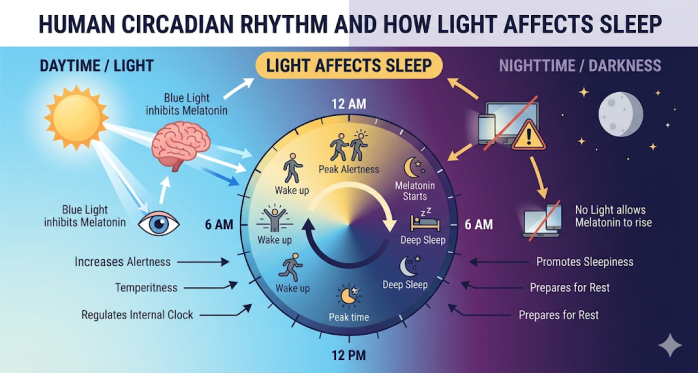
  • Biology topics to research: The impact of “blue light” from phones on our sleep cycles.

4. The Future: Biology Research Topics 2026

Science changes every day. As we look at biology research topics 2026, the focus is on “Sustainability” and “AI.”

  • Popular biology research topics: Can we use AI to predict how a virus will spread?
  • Environmental biology research topics: Using mushrooms to “eat” plastic waste in landfills.
  • Most interesting topics in biology: The ethics of “de-extinction”—should we bring back the Woolly Mammoth?

How to Stay “Human-Written”

In 2026, many students use AI to write. However, to get the best biology research topics and the best grades, you must add your own “human touch.” Use biology essay topics that you actually care about. If you are a runner, study the biology of muscles. If you love cooking, study the biology of fermentation.

My Strategy for You to Succeed

To help you succeed, I have put together a list of general biology research topics and trending cool biology topics. I always tell my students to pick three biology research project topics and then search for them on Google. The one with the most “recent” news is usually the best one to pick.

By following this guide and using the provided biology topics, you are setting yourself up for success. Remember, a great project starts with a great question!

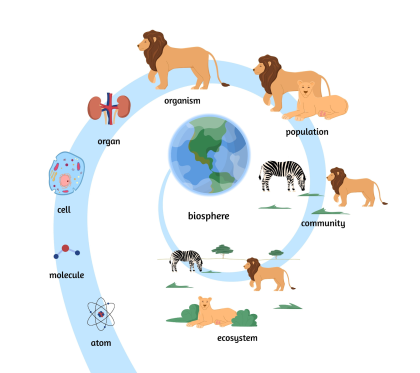
Levels of Biological Organization

300 Biology Research Topics (Categorized)

Here is your master list of 300 topics, divided into 6 major categories to help you find your focus quickly.

Category 1: Molecular & Cell Biology (50 Topics)

These topics are a like specialized biochemistry assignment assistance to write a top ranking assignment on molecular biology and the chemical processes of living organisms.

  1. The mechanism of mRNA vaccines in 2026.
  2. How CRISPR-Cas9 edits specific plant genes.
  3. The role of mitochondria in aging cells.
  4. How “junk DNA” actually regulates our genes.
  5. The impact of oxidative stress on skin cells.
  6. How cancer cells develop resistance to chemotherapy.
  7. The process of protein folding and misfolding diseases.
  8. How stem cells can be used to regrow heart tissue.
  9. The effect of sugar on cellular inflammation.
  10. Investigating the “p53” gene and its role in tumor suppression.
  11. How ribosomes build proteins in extreme environments.
  12. The impact of viral infections on host cell DNA.
  13. How cells communicate using chemical signals.
  14. The biology of telomeres and their link to lifespan.
  15. How lysosomes clean up cellular waste.
  16. The role of epigenetics in identical twins.
  17. How alcohol damages liver cell membranes.
  18. The effect of radiation on cell division.
  19. How cloning technology has evolved since Dolly the sheep.
  20. The mechanism of “cell suicide” (apoptosis).
  21. How nerve cells send signals over long distances.
  22. The impact of antibiotics on the gut microbiome cells.
  23. Investigating the Golgi apparatus in secreting hormones.
  24. How plant cells differ from animal cells in energy storage.
  25. The role of centrioles in chromosome health.
  26. How toxins block cell membrane receptors.
  27. The biology of bioluminescence in deep-sea bacteria.
  28. How extreme cold affects cellular structure.
  29. The role of RNA interference in silencing genes.
  30. Investigating the “HeLa” cell line’s impact on modern medicine.
  31. How chloroplasts convert light into chemical energy.
  32. The effect of high altitude on red blood cell production.
  33. How the “blood-brain barrier” protects our cells.
  34. The biology of the “human cell atlas” project.
  35. How exercise triggers the creation of new mitochondria.
  36. The impact of salt on cell osmosis.
  37. How cells detect and repair DNA damage from the sun.
  38. The role of enzymes in speed-up chemical reactions.
  39. Investigating the molecular basis of hereditary diseases.
  40. How cytokines regulate the immune response.
  41. The biology of cell-to-cell adhesion.
  42. How yeast cells ferment sugar into alcohol.
  43. The role of the endoplasmic reticulum in lipid synthesis.
  44. How “natural killer” cells identify pathogens.
  45. The molecular biology of taste and smell receptors.
  46. Investigating the origins of the first eukaryotic cell.
  47. How synthetic biology creates artificial cell membranes.
  48. The impact of micro-gravity on cell growth (space biology).
  49. How molecular motors transport cargo inside cells.
  50. The future of “lab-on-a-chip” cellular analysis.

Category 2: Human Biology & Health (50 Topics) 

For the high volume of nursing students who research human biology and clinical standards explore nursing and health science essay help

  1. How 8 hours of sleep impacts teen brain development.
  2. The link between gut bacteria and anxiety.
  3. How “fast food” changes our metabolism over 30 days.
  4. The biology of why we feel “hanger” (hunger + anger).
  5. How high-intensity exercise changes lung capacity.
  6. The impact of vaping on human lung tissue.
  7. How the brain rewires itself after an injury (neuroplasticity).
  8. The role of dopamine in social media addiction.
  9. How our immune system remembers past infections.
  10. The biology of why some people are “night owls.”
  11. How chronic stress shrinks the hippocampus.
  12. The effect of caffeine on short-term memory.
  13. How human skin regenerates after a burn.
  14. The role of genetics in obesity.
  15. How vitamin D affects bone density in the elderly.
  16. The biology of human allergies to pollen.
  17. How “mirror neurons” allow us to feel empathy.
  18. The impact of dehydration on brain function.
  19. How the human heart adapts to long-distance running.
  20. The role of insulin in regulating blood sugar.
  21. How the “fight or flight” response affects digestion.
  22. The biology of why we dream.
  23. How aging affects our five senses.
  24. The link between processed meat and colon health.
  25. How the body maintains a constant temperature.
  26. The biology of human hair growth and loss.
  27. How vaccines train our white blood cells.
  28. The impact of “sitting all day” on the skeletal system.
  29. How human pregnancy changes a woman’s brain.
  30. The role of hormones in teenage mood swings.
  31. How the body heals a broken bone.
  32. The biology of the “Placebo Effect.”
  33. How regular meditation changes brain waves.
  34. The impact of pollution on human fertility.
  35. How our eyes adapt to seeing in the dark.
  36. The biology of “muscle memory.”
  37. How the body reacts to extreme heat (heatstroke).
  38. The role of melanin in protecting us from UV rays.
  39. How the human voice changes during puberty.
  40. The biology of why we get “goosebumps.”
  41. How sugar affects the dental health of children.
  42. The impact of loud music on the inner ear.
  43. How our blood types evolved.
  44. The role of the appendix—is it really useless?
  45. How human saliva starts the digestion process.
  46. The biology of identical vs. fraternal twins.
  47. How our sense of balance works in the inner ear.
  48. The impact of “screen time” on children’s eyesight.
  49. How the body fights off a common cold.
  50. The future of “personalized medicine” based on your DNA.

Category 3: Environmental & Ecology (50 Topics)

  1. How city noise changes the way birds sing.
  2. The impact of “light pollution” on baby sea turtles.
  3. How “vertical farming” can save water.
  4. The role of bees in our global food supply.
  5. How microplastics move through the ocean food web.
  6. The effect of oil spills on marine bird feathers.
  7. How “wildfire” actually helps some forests grow.
  8. The impact of invasive “Lionfish” on Atlantic reefs.
  9. How beaver dams prevent local flooding.
  10. The biology of “carbon sequestration” in soil.
  11. How “acid rain” damages forest ecosystems.
  12. The role of fungi in recycling dead wood.
  13. How “overfishing” changes the size of fish.
  14. The impact of rising sea levels on coastal mangroves.
  15. How “urban heat islands” affect city wildlife.
  16. The biology of “coral bleaching” in the Great Barrier Reef.
  17. How “deforestation” leads to new human diseases.
  18. The role of “top predators” (like wolves) in ecosystem health.
  19. How “pesticides” affect the health of honeybees.
  20. The impact of “drought” on local bird migration.
  21. How “plastic-eating” bacteria could clean the planet.
  22. The biology of “wetlands” as natural water filters.
  23. How “climate change” shifts the habitats of polar bears.
  24. The role of “earthworms” in healthy garden soil.
  25. How “reforestation” projects affect local weather.
  26. The impact of “dam building” on salmon migration.
  27. How “noise pollution” affects whale communication.
  28. The biology of “bio-indicators” (like frogs) for water health.
  29. How “organic farming” differs from traditional farming.
  30. The impact of “road construction” on wildlife movement.
  31. How “monoculture” farming leads to plant diseases.
  32. The role of “scavengers” in keeping ecosystems clean.
  33. How “desertification” can be stopped with native plants.
  34. The impact of “micro-climates” in large cities.
  35. How “renewable energy” (wind/solar) impacts local birds.
  36. The biology of “seed banks” for future food security.
  37. How “ocean acidification” dissolves sea shells.
  38. The role of “lichens” in measuring air quality.
  39. How “invasive plants” kill off native wildflowers.
  40. The impact of “river pollution” on freshwater fish.
  41. How “grazing animals” affect grassland biodiversity.
  42. The biology of “composting” and nutrient cycles.
  43. How “extreme weather” affects insect populations.
  44. The role of “National Parks” in saving endangered species.
  45. How “sustainable fishing” methods work.
  46. The impact of “tourism” on fragile island ecosystems.
  47. How “sewage treatment” plants use bacteria to clean water.
  48. The biology of “hibernation” in a warming world.
  49. How “citizen science” helps track animal migrations.
  50. The future of “geo-engineering” to cool the Earth.

Category 4: Plant Biology & Botany (50 Topics)

These topics will be a comprehensive botany project help.

  1. How plants “talk” to each other through underground fungi.
  2. The impact of “blue light” vs. “red light” on tomatoes.
  3. How some plants survive in the desert without rain.
  4. The biology of “carnivorous plants” like the Venus Flytrap.
  5. How “GMO” crops are engineered to resist pests.
  6. The effect of “aspirin” on the health of cut flowers.
  7. How plants “breathe” through their leaves (stomata).
  8. The role of “auxin” in making plants grow toward light.
  9. How “vertical gardens” improve air quality in homes.
  10. The biology of “seed dispersal” by wind vs. animals.
  11. How “hydroponics” allows us to grow food without soil.
  12. The impact of “salt” on the roots of roadside plants.
  13. How “drought-resistant” wheat is being developed.
  14. The role of “pollinators” other than bees (bats/birds).
  15. How “trees” communicate when they are under attack.
  16. The biology of “autumn colors”—why leaves change.
  17. How “caffeine” in plants acts as a natural pesticide.
  18. The impact of “over-watering” on plant root oxygen.
  19. How “algae” can be turned into biofuel.
  20. The role of “bark” in protecting trees from fire.
  21. How “invasive vines” (like Kudzu) kill large trees.
  22. The biology of “photosynthesis” in deep-sea plants.
  23. How “root pressure” pushes water up a 100-foot tree.
  24. The impact of “pollution” on the taste of fruits.
  25. How “medicinal plants” are found in the rainforest.
  26. The role of “plant hormones” in fruit ripening.
  27. How “seeds” can stay alive for 100 years.
  28. The impact of “volcanic ash” on soil fertility.
  29. How “bamboo” grows so much faster than other trees.
  30. The biology of “succulents” and water storage.
  31. How “smog” affects the growth of city trees.
  32. The role of “mycorrhizae” in forest health.
  33. How “heavy metals” in soil are absorbed by plants.
  34. The impact of “magnetism” on plant growth.
  35. How “ancient grains” differ from modern wheat.
  36. The biology of “plant defense” (thorns and toxins).
  37. How “epiphytes” (air plants) live without soil.
  38. The impact of “acidic soil” on hydrangea colors.
  39. How “clover” adds nitrogen back into the dirt.
  40. The role of “moss” in preventing soil erosion.
  41. How “fruit flies” are attracted to ripening fruit.
  42. The biology of “grafting” two different trees together.
  43. How “seaweed” can be used as a sustainable plastic.
  44. The impact of “monsoon” rains on tropical plants.
  45. How “pine cones” open and close based on humidity.
  46. The role of “wildflowers” in supporting local insects.
  47. How “plant breeding” created the modern banana.
  48. The biology of “timber” and wood density.
  49. How “aquaponics” combines fish and plant farming.
  50. The future of “space farming” on Mars.

Category 5: Animal Behavior & Zoology (50 Topics)

  1. How “dogs” understand human emotions.
  2. The impact of “social isolation” on honeybee behavior.
  3. How “birds” find their way home using magnetism.
  4. The biology of “camouflage” in octopuses.
  5. How “ants” build complex cities without a leader.
  6. The effect of “ocean noise” on dolphin sonar.
  7. How “monkeys” learn to use tools to find food.
  8. The role of “pheromones” in ant communication.
  9. How “cats” use their whiskers to see in the dark.
  10. The impact of “climate change” on butterfly migration.
  11. How “wolves” communicate through howling.
  12. The biology of “venom” in snakes vs. spiders.
  13. How “elephants” mourn their dead.
  14. The role of “alpha” leaders in a wolf pack.
  15. How “migratory fish” find their way back to their birth river.
  16. The impact of “urbanization” on raccoon intelligence.
  17. How “crows” solve complex multi-step puzzles.
  18. The biology of “hibernation” in bears.
  19. How “penguins” survive extreme Antarctic cold.
  20. The role of “play” in the development of young lions.
  21. How “fireflies” use light to find a mate.
  22. The impact of “plastic” on the health of sea birds.
  23. How “spiders” design their webs for strength.
  24. The biology of “animal mimicry” (looking like something else).
  25. How “bats” use echolocation to catch bugs.
  26. The impact of “captivity” on the lifespan of orcas.
  27. How “chameleons” change color based on mood.
  28. The role of “grooming” in monkey social bonds.
  29. How “salmon” change their bodies for fresh water.
  30. The biology of “deep-sea gigantism.”
  31. How “squirrels” remember where they hid thousands of nuts.
  32. The impact of “artificial light” on moth behavior.
  33. How “sharks” sense the electricity of their prey.
  34. The role of “parasites” in changing animal behavior.
  35. How “hummingbirds” can fly backward.
  36. The biology of “bird song” and mating success.
  37. How “kangaroos” use their tails for balance.
  38. The impact of “deforestation” on orangutan populations.
  39. How “bees” perform the “waggle dance” to find flowers.
  40. The biology of “regeneration” in starfish and lizards.
  41. How “owls” fly silently to catch prey.
  42. The role of “scent marking” in cat territories.
  43. How “turtles” live for over 100 years.
  44. The impact of “oil spills” on sea otter fur.
  45. How “insects” see the world through compound eyes.
  46. The biology of “animal migration” across the Serengeti.
  47. How “dolphins” use signature whistles (names).
  48. The impact of “fishing nets” on sea turtle populations.
  49. How “corals” are actually tiny animals, not plants.
  50. The future of “robotic animals” in studying wildlife.

Category 6: Genetics & Biotechnology (50 Topics)

  1. The ethics of using “CRISPR” on human embryos.
  2. How “DNA testing” (like 23andMe) affects privacy.
  3. The impact of “genetic engineering” on food prices.
  4. How “gene drive” technology could wipe out malaria.
  5. The biology of “designer pets”—the pros and cons.
  6. How “forensic DNA” solves cold cases from decades ago.
  7. The role of “epigenetics” in how we handle stress.
  8. How “bio-printing” can create 3D human organs.
  9. The impact of “cloning” on endangered species recovery.
  10. How “gene therapy” can cure blindness.
  11. The biology of “DNA storage”—saving data in genes.
  12. How “synthetic biology” could create new fuels.
  13. The role of “genetic markers” in predicting heart disease.
  14. How “herbicide-resistant” weeds are evolving.
  15. The impact of “biotechnology” on 2026 medicine.
  16. How “RNA” is being used to fight cancer.
  17. The biology of “de-extinction”—can we bring back mammoths?
  18. How “genetically modified” mosquitoes stop diseases.
  19. The role of “stem cells” in curing paralysis.
  20. How “DNA barcoding” identifies fake herbal supplements.
  21. The impact of “lab-grown leather” on the fashion industry.
  22. How “personalized nutrition” is based on your DNA.
  23. The biology of “transgenic” animals in research.
  24. How “horizontal gene transfer” happens in bacteria.
  25. The role of “telomerase” in turning off cancer cells.
  26. How “biometric” data (fingerprints/DNA) is stored.
  27. The impact of “patenting genes” on scientific research.
  28. How “bio-remediation” uses genes to clean oil spills.
  29. The biology of “super-foods” created through breeding.
  30. How “gene silencing” can stop hereditary tremors.
  31. The role of “bio-hackers” in the future of science.
  32. How “DNA repair” enzymes protect us from aging.
  33. The impact of “genetics” on athletic performance.
  34. How “chimeras” (part-human, part-animal) are used in labs.
  35. The biology of “blood-typing” and forensic science.
  36. How “microbial fuel cells” generate electricity.
  37. The role of “biotech” in creating “golden rice” for health.
  38. How “viral vectors” deliver healthy genes to patients.
  39. The impact of “genetic diversity” on species survival.
  40. How “computational biology” predicts protein shapes.
  41. The biology of “nanobots” delivering medicine to cells.
  42. How “fluorescent proteins” help scientists see inside cells.
  43. The role of “bio-ethics” committees in 2026 labs.
  44. How “DNA methylation” changes as we get older.
  45. The impact of “biotechnology” on global food security.
  46. How “genetically modified” trees can absorb more CO2.
  47. The biology of “immune-checkpoint” inhibitors in cancer.
  48. How “metagenomics” studies entire microbial communities.
  49. The role of “bio-reactors” in making lab-grown meat.
  50. The future of “human-machine” biological interfaces.
Let PhD Experts Handle the Research

Don’t risk your grades. Get specialized assistance for complex biology research topics, lab reports, and case studies.

Click to Order Now

How to Choose the Perfect Biology Research Topic: A 3-Step Framework

To get an A+, you need a topic that is narrow enough to research but broad enough to have data. Use my personal 3-step framework to find yours:

  1. Identify Your Core Interest: Start with a hobby and find the science behind it. (e.g., If you like Sports, look into Muscle Physiology; if you like Tech, look into Bioinformatics).
  2. Verify Data Availability: Before you commit, ensure you can find at least 5 peer-reviewed sources or a clear path for a DIY experiment.
  3. Narrow the Scope: Take a general idea and make it local or specific. (e.g., Instead of “Animals,” research “The Impact of Urban Noise on Local Bee Populations”).

At times, you might need more experts help to complete you research project, incase of such a situation you use below options:

Final Checklist for Your Project:

  • Word Count: Is your paper long enough to cover the details?
  • Structure: Do you have an Introduction, Methods, Results, and Discussion?
  • EEAT: Did you use experts and peer-reviewed journals for your facts?
  • Readability: Is your writing clear enough for a 6th grader to understand?

Good luck with your research! You have everything you need to get that #1 rank. You can also take a professional scientific  research writing service.

FAQ On Biology Research Topics

1. How do I choose the best biology research topic?

I recommend picking a topic that you have a personal interest in. If you like sports, choose something about human physiology. If you like the outdoors, look at ecology. Always make sure you can find at least five credible sources before you commit!

2. What are some easy biology topics for high school?

The easiest topics usually involve plant growth or household experiments. For example, “How does temperature affect yeast fermentation?” or “Which brand of mouthwash kills the most bacteria?”

3. Are these topics suitable for 2026?

Yes! I have updated this list to include 2026 trends like AI in biology, mRNA technology, and climate-resilient farming.

4. What are the most popular biology research topics in 2026?

Currently, the most searched topics involve CRISPR gene editing, mRNA vaccine technology, and AI-driven drug discovery. Students are also increasingly looking into sustainable “plastic-eating” bacteria and climate-resilient crop genetics.

5. How do I narrow down a biology research question? 

Start with a broad field (e.g., Marine Biology) and add a specific variable (e.g., microplastics) and a specific subject (e.g., local oysters). Your question becomes: “How do microplastics affect the filtration rate of local oyster populations?”

6. What is an example of an easy biology topic for high school? 

A classic, high-success topic is “The effect of different household liquids (milk, juice, soda) on the growth rate of bean plants.” It is easy to measure, provides clear data, and uses materials found at home.

Cooper Robinson

I am an academic writer experienced in essay structuring, assignment development, and foundational research writing. I focus on clarity, logical flow, and strong academic argumentation.

Related Post
Join our 150К of happy users

Get original papers written according to your instructions and save time for what matters most.

Order Now
Plagiarism checker
Verify originality of an essay
essay
Get ideas for your paper
Plagiarism checker
Cite sources with ease
WhatsApp Order/Chat on whatsapp
support
close